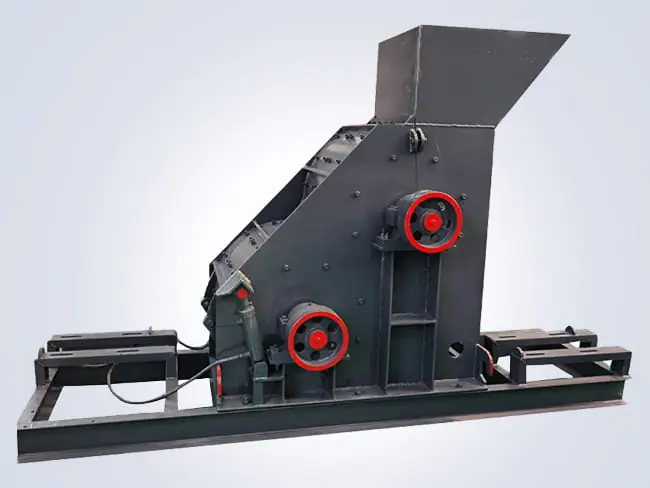
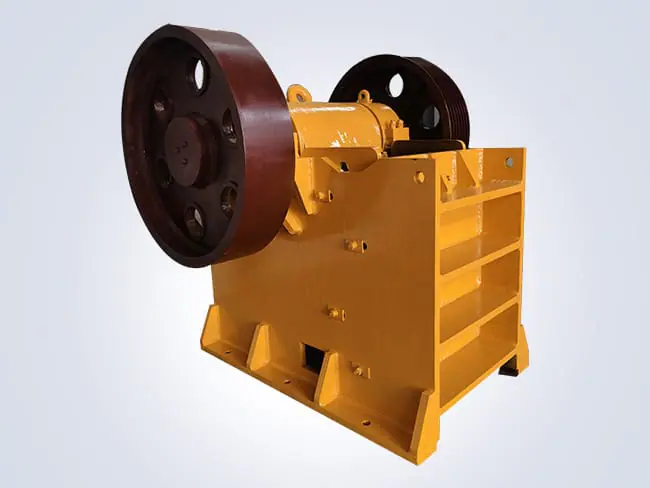
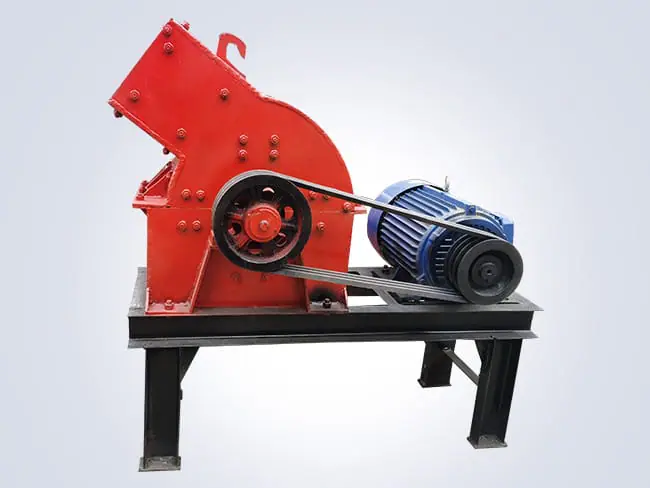
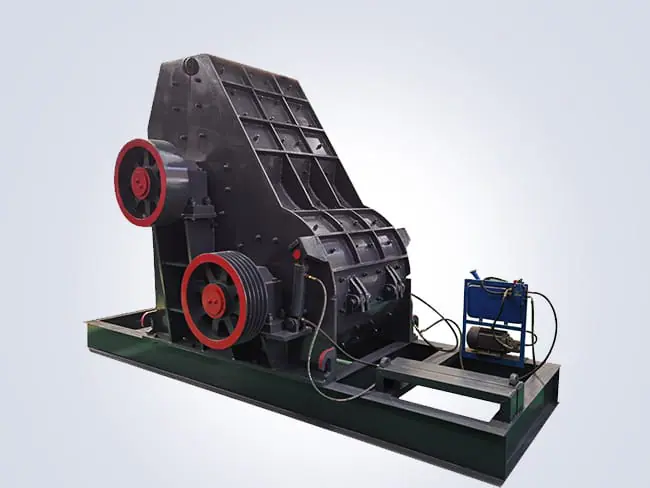
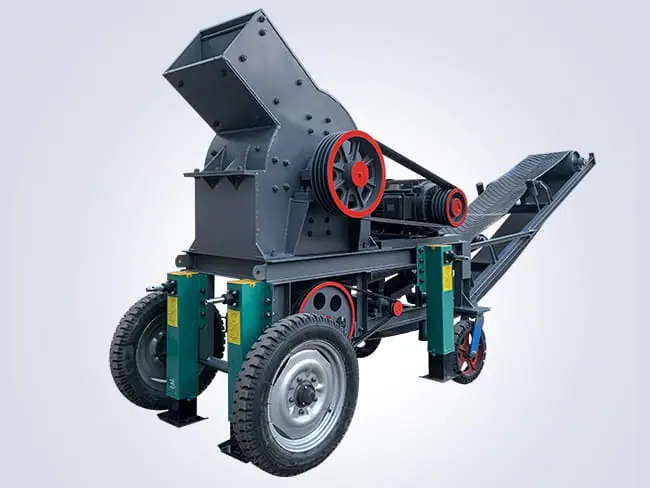
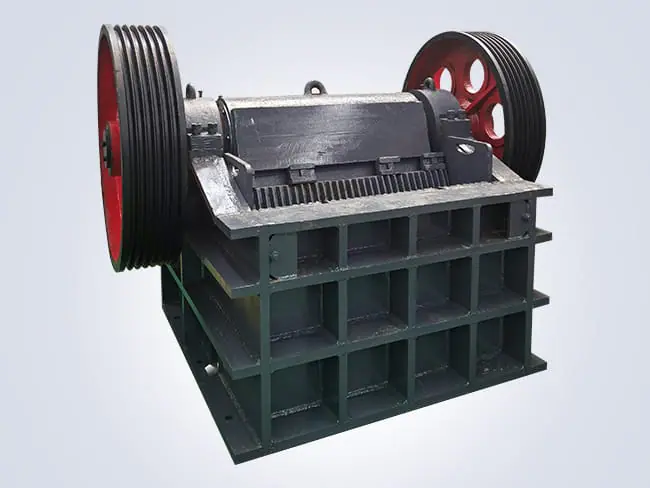
The hammer crusher is a key device that utilizes impact energy to crush materials. And is widely applied in industries such as mining, building materials and chemical engineering. Its core structure consists of components including the casing, rotor, hammerheads and grate bars. With advantages like simple structure, high crushing efficiency and convenient operation. It has become the preferred equipment for primary and intermediate material crushing.
Hammer Crusher: The Core Crushing Equipment
During operation, the motor drives the rotor to rotate at high speed. And the hammerheads on the rotor perform circular motion accordingly. When materials enter the crushing chamber, they are subjected to high-speed impact and shearing from the hammerheads as well as mutual collision between materials, and then crushed to the required particle size. The grate bars play a screening role—unqualified coarse materials are retained in the chamber for further crushing, ensuring uniform discharge particle size.
This equipment can process various materials such as limestone, granite and coal gangue. It features large feed particle size and high crushing ratio, which can effectively reduce energy consumption in subsequent processing links. With technological upgrading. New-type hammer crushers have been continuously improved in terms of wear resistance and intelligent control, further expanding their application scope and providing a reliable solution for the material crushing process in industrial production.