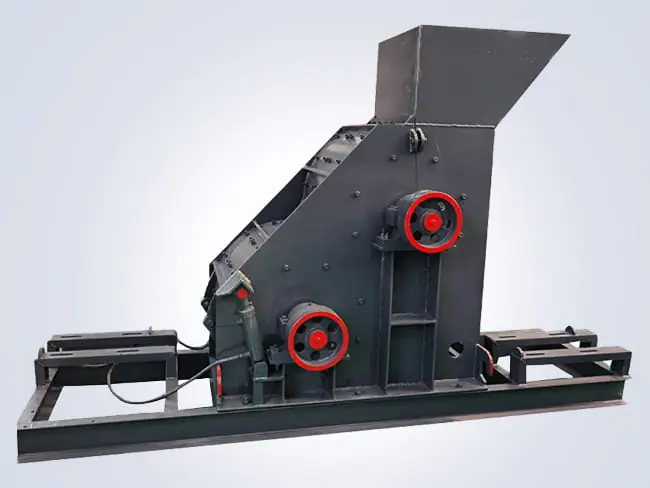
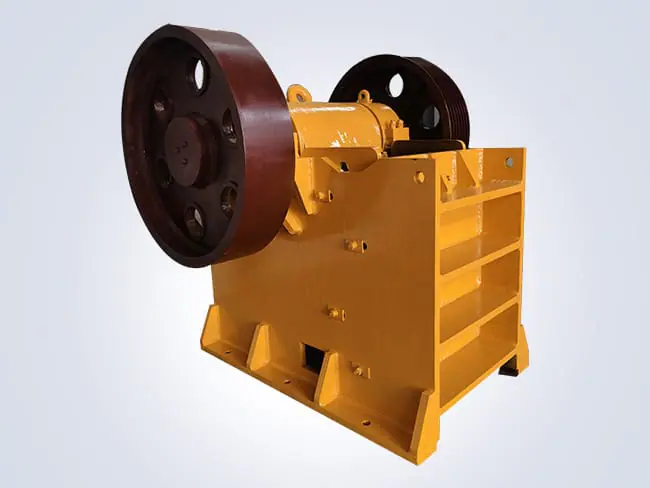
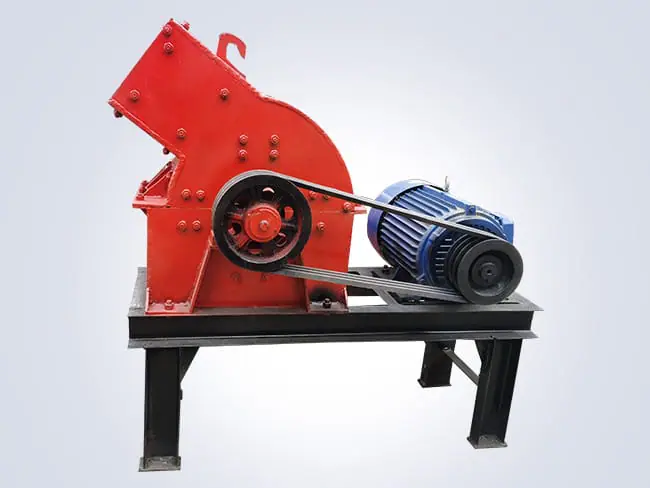
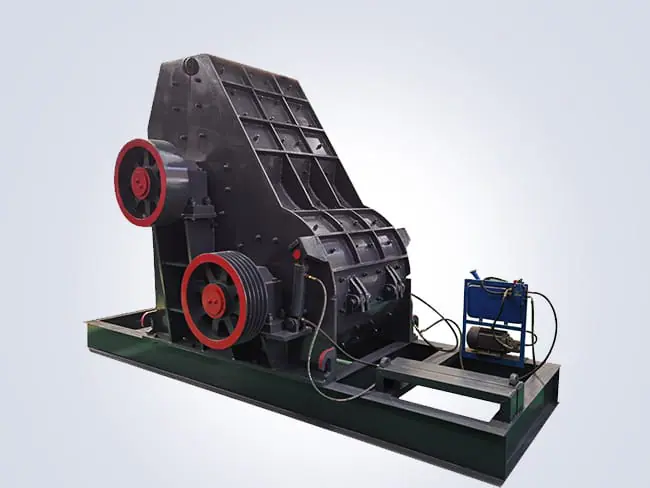
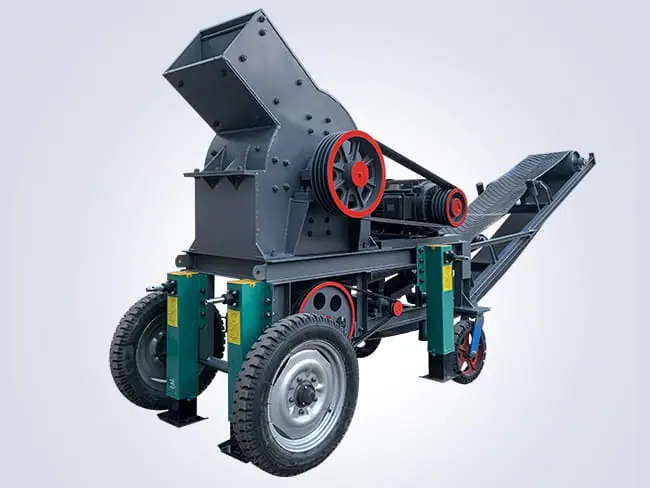
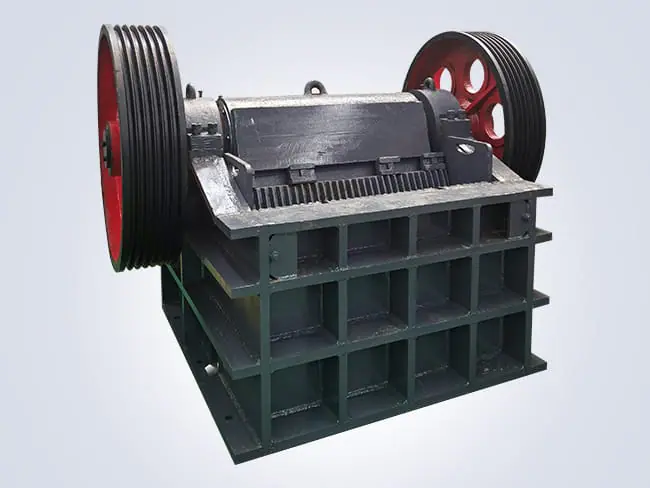
The hammer crusher is a mechanical device based on the impact crushing principle. Widely used in mining, building materials, chemical industry, electric power and many other industrial fields. It is mainly applied to crush medium-hard and brittle materials such as limestone, coal and shale. Featuring a simple structure, it mainly consists of a frame, transmission device, rotor, hammer heads, sieve plate and other core components. Among them, the hammer head. As a key accessory, directly determines the equipment’s production capacity and service life with its quality and material.
Hammer Crusher: The Core Equipment in the Crushing Field
During operation, the motor drives the rotor to rotate at a high speed through the transmission device. After entering the crushing chamber from the feed inlet, materials are impacted, sheared and torn by the high-speed rotating hammer heads. And collide with the inner liner and sieve plate at the same time to achieve multiple crushing. Materials meeting the particle size requirement are discharged through the sieve plate. While unqualified ones remain in the chamber for secondary crushing until the standard is reached.
This equipment boasts the advantages of large crushing ratio (up to 10–50), high production efficiency. Uniform product particle size and convenient operation & maintenance, which can effectively reduce production energy consumption. Its limitations include fast wear of hammer heads when crushing hard materials and easy sieve plate blockage when treating sticky and wet materials. Nowadays, with technological upgrading, intelligence and energy conservation have become the development trends of hammer crushers, further expanding their application scope.