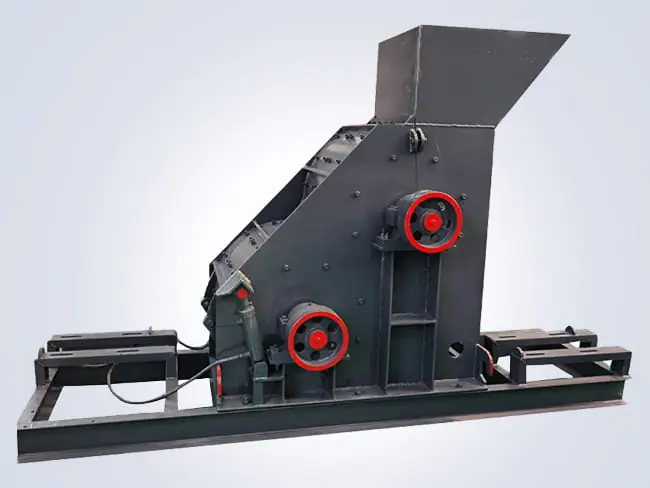
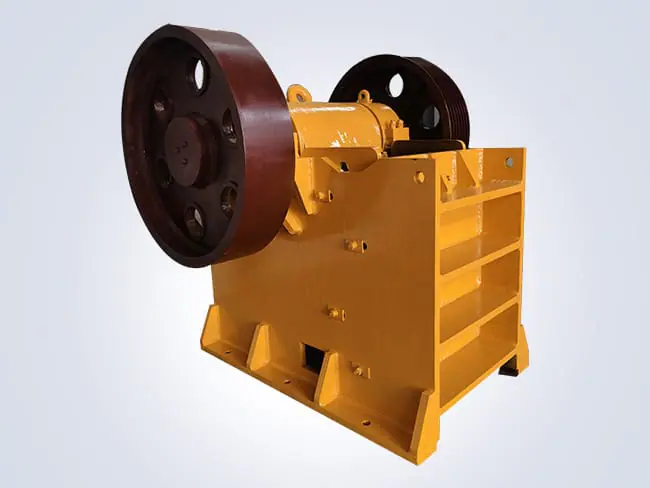
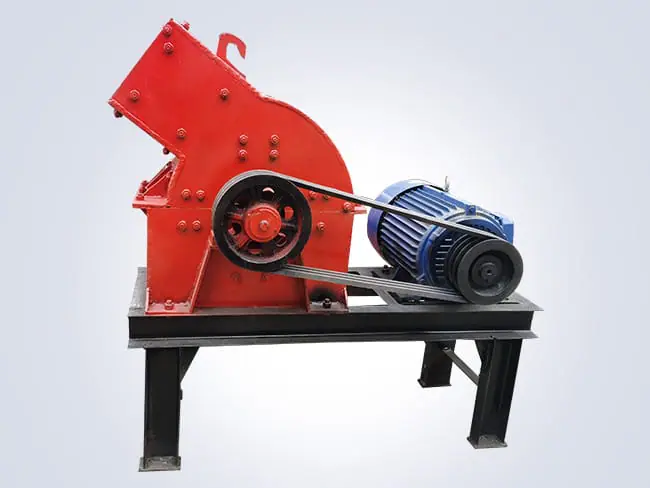
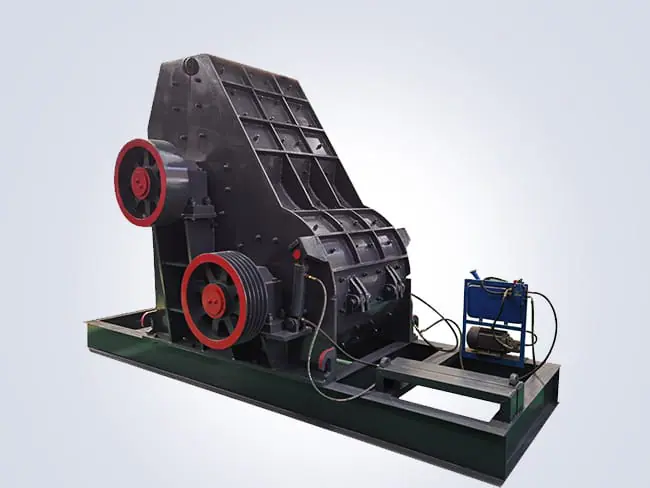
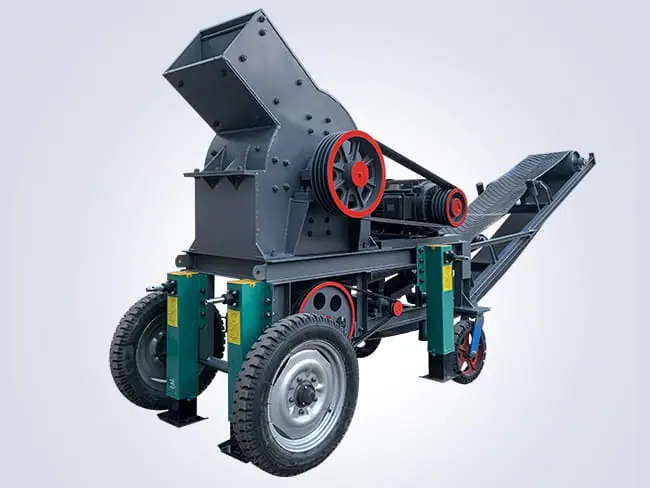
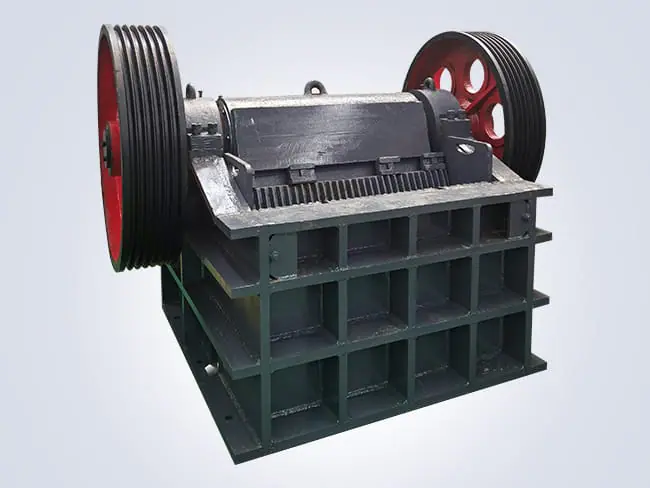
Jaw crusher is a classic coarse crushing equipment widely used in mining, building materials and infrastructure construction. By simulating the movement of animal jaws, it effectively crushes large-sized materials. Is extensively applied in sand and gravel production lines, mining operations, construction waste treatment and other scenarios.
Jaw Crusher: The Core Equipment for Coarse Crushing of Sand, Gravel and Ores
Its core structure consists of a fixed jaw plate, a movable jaw plate, an eccentric shaft, flywheels and a frame. Driven by a motor, the eccentric shaft rotates to drive the movable jaw plate in periodic reciprocating motion, forming a variable crushing chamber with the fixed jaw plate. Materials fall in from the top and are crushed through multiple actions of extrusion and grinding. As the jaw plates separate during downward movement. The finished products are discharged from the outlet under gravity, enabling continuous mass production.
This equipment is suitable for various materials including granite, basalt, limestone and river pebbles. It can handle materials with compressive strength ≤ 320 MPa, with a feeding size ranging from 120 mm to 1500 mm and a processing capacity of 1–2200 t/h, meeting different demands from small quarries to large-scale mines. The discharge opening can be flexibly adjusted via shim or wedge devices to precisely control the product particle size, adapting to coarse crushing, medium crushing and other operational stages.
As the primary core equipment in sand and gravel production lines. The jaw crusher features a simple structure, convenient maintenance and reliable operation. Combined with subsequent equipment such as cone crushers and impact crushers. Tt can form an efficient crushing and processing system, providing stable raw material support for infrastructure, metallurgy, chemical engineering and other industries.