1、 Value and Development Background of the Equipment Industry
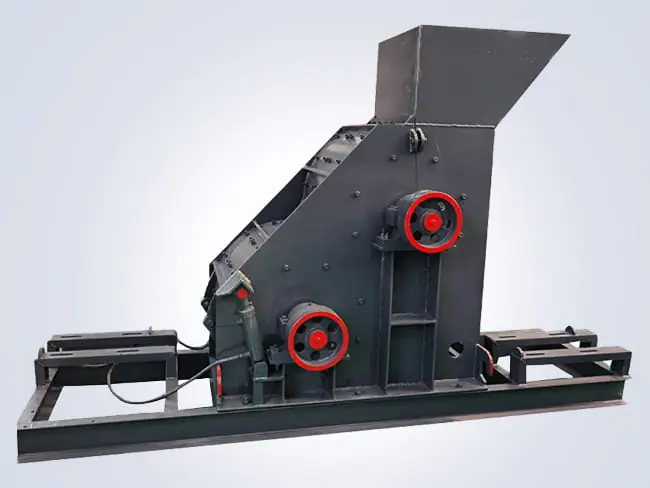
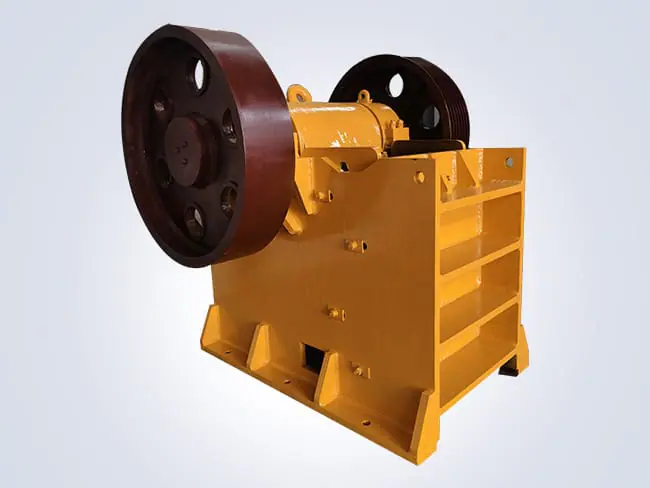
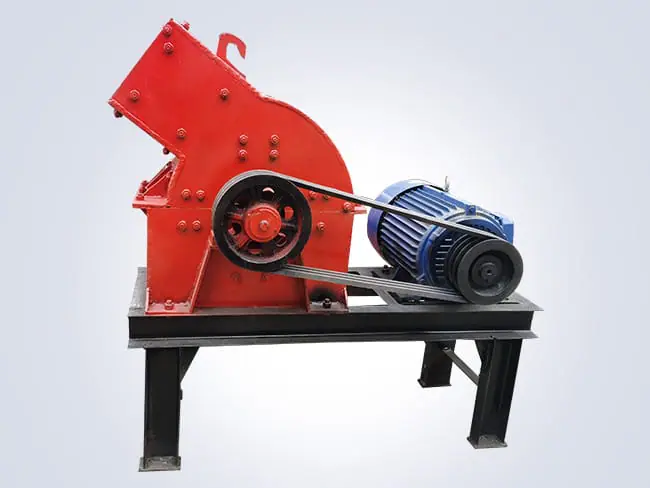
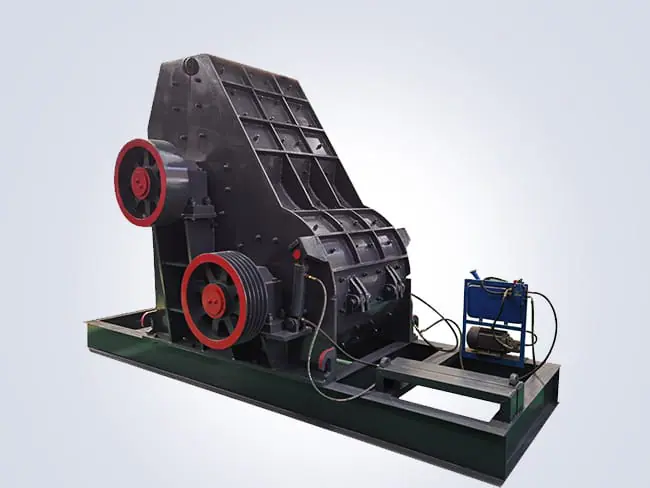
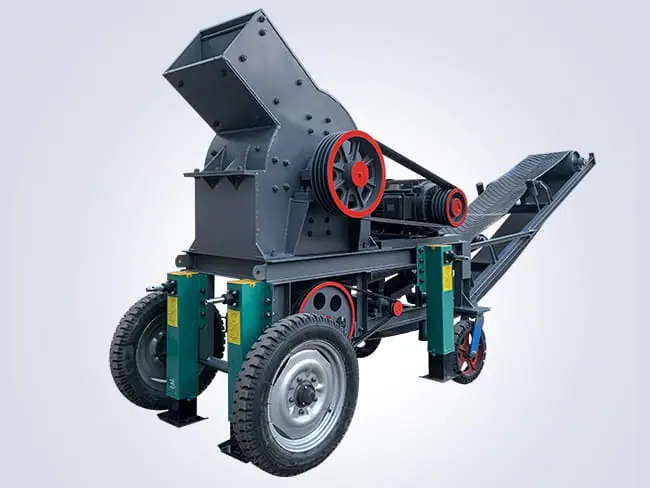
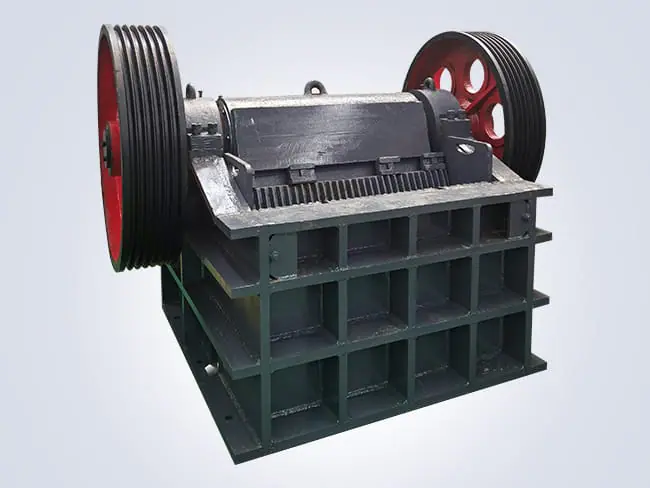
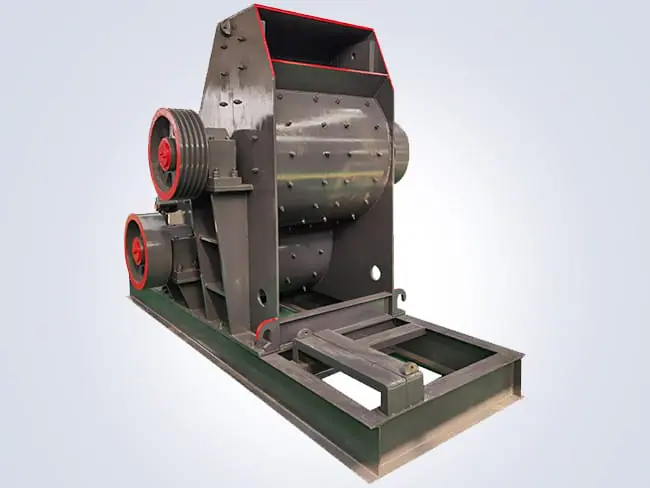
Sand and gravel are indispensable basic raw materials for infrastructure projects. With stricter control over natural sand mining, machine-made sand has become the mainstream material in the industry. As a specialized equipment for fine crushing and shaping stone materials, sand making machines play a key role in sand and gravel production lines, adapting to various stone processing scenarios and supporting stable supply of various engineering aggregates.
2、 Core working principle and technological advantages
The most commonly used vertical impact sand making machine in the current market relies on two crushing modes, “stone to stone” and “stone to iron”, to complete material processing. The operation mode can be switched according to the hardness of the raw materials. The material is fed into the machine body from the feeding bin and divided into two streams through the material separation structure. One stream enters the high-speed rotating impeller for acceleration and ejection, and collides with the other stream of naturally falling stone, repeatedly impacting the material lining inside the chamber. Through multiple impacts, friction and grinding, the fine crushing and shaping operation is completed, and finally the sand material that meets the building standards is produced. The entire crushing process relies on material collision to reduce direct wear of metal components, coupled with an internal self circulating airflow structure, which can reduce on-site dust diffusion and meet environmental production requirements.
3、 Widely applicable materials and diverse application scenarios
This equipment is suitable for a wide range of raw materials, including river pebbles, granite, limestone, basalt, ore tailings, and recycled building waste materials. The particle size range of the finished product can be adjusted, and the sand particles produced are mostly in cubic shape with moderate particle gaps and balanced grading distribution. It is suitable for material standards in concrete mixing plants, dry mortar, highways, railways, water conservancy, municipal construction and other projects. It can also be used in processing scenarios such as refractory materials, quartz sand, and metallurgical slag fine crushing, achieving the operational needs of one machine for multiple uses.
4、 Characteristics of production line matching and operation and maintenance
The complete sand production line requires the coordinated operation of vibrating feeders, crushers, vibrating screens, and belt conveyors. Large stones are sent to the sand making machine for processing after coarse and medium fine crushing. Coarse particles that do not meet the standards after screening are sent back to the conveyor for secondary crushing, forming a closed-loop production process. The equipment is equipped with a hydraulic opening structure, and the internal wear-resistant parts are easy to disassemble and replace; The lubrication system maintains stable temperature control and can extend the equipment operation and maintenance cycle. Only regular inspections of vulnerable parts and cleaning of accumulated materials in the cavity are needed for daily maintenance. A single person can complete the basic maintenance work. The automation level of the entire production line is considerable, and there are not many personnel on duty, reducing manual input.
5、 Advantages of Green Production and Resource Utilization
At the level of sand and gravel resource utilization, sand making machines assist in the conversion of solid waste such as construction waste and steel slag into recycled aggregates, reducing the demand for stone mining and aligning with the development direction of green building materials. The equipment can be equipped with two sets of production processes, dry and wet. The dry production line is equipped with a powder selection equipment to separate excess stone powder, and the wet production line is equipped with a sand washing device to improve the cleanliness of sand materials. Users can freely customize the production line plan based on local environmental policies and site water source conditions.
6、 Equipment selection and usage precautions
When selecting and using equipment, the corresponding model can be matched based on daily processing capacity, raw material hardness, and finished sand fineness requirements, while paying attention to the cost of replacing wear-resistant parts and equipment energy consumption indicators. Reasonably planning the layout of production lines and standardizing daily maintenance processes can maintain the smooth operation of equipment, ensure the continuous output of sand and gravel aggregates, and provide stable raw material support for infrastructure and building materials related industries.