Stone Jaw Crusher: Key Advantages for Your Crushing Plant
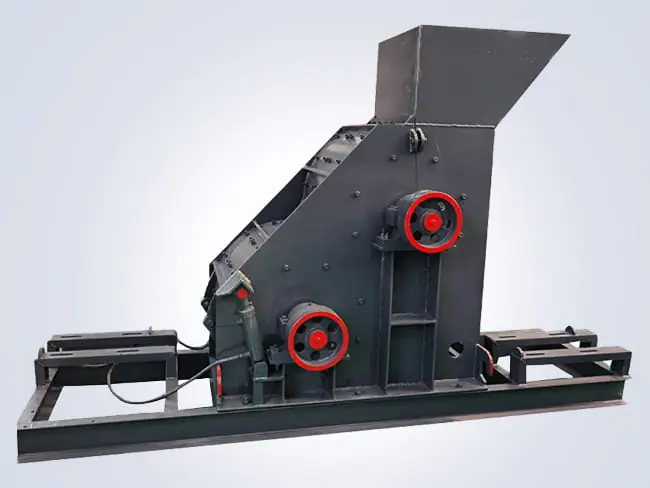
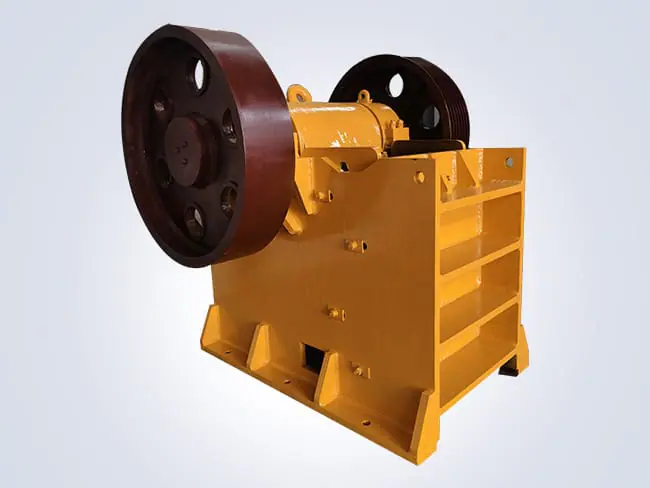
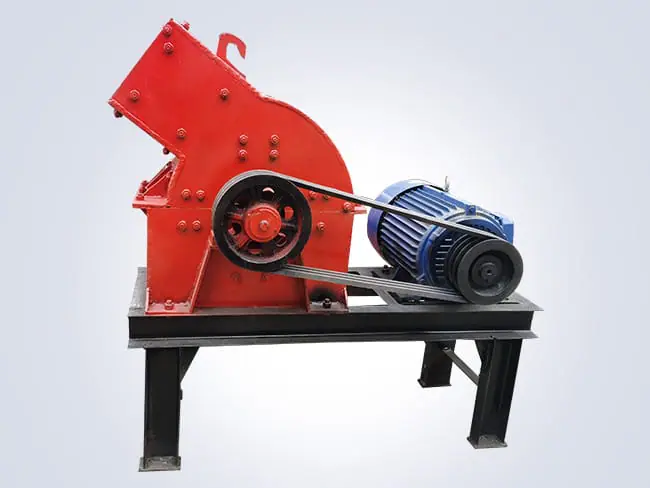
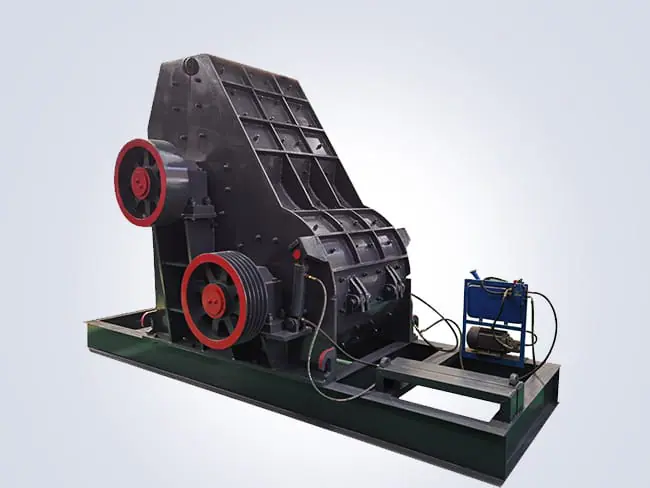
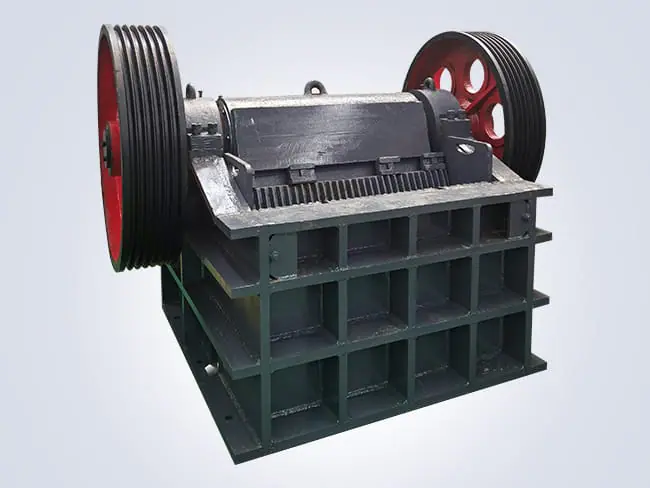
A stone jaw crusher is widely used as primary crushing equipment. It breaks big rocks and ores into smaller particles. Quarries, mines and aggregate plants choose this machine for stable performance.
1. Strong crushing force for hard raw materials
The jaw crusher uses compressive force to crush stone. It handles hard rock like granite, basalt and quartz. Large raw stone can go directly into the crushing chamber. It works well for abrasive mining ore.
2. Simple and solid machine structure
The stone jaw crusher has a simple design. Fewer complex parts reduce failure risk. Heavy-duty frame supports long-time continuous running. Operators can understand its working principle quickly.
3. Low maintenance and easy operation
Jaw plates are the main wearing parts. Users can replace jaw plates easily. Normal maintenance takes little time. You do not need highly skilled workers to run it. This cuts your daily operation cost.
4. Wide application range
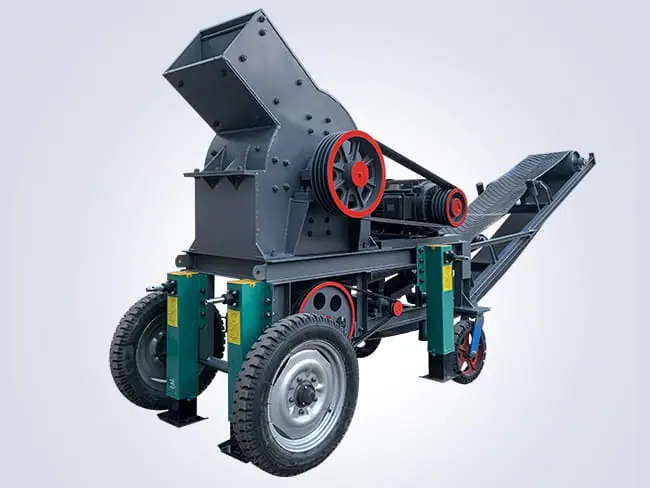
This jaw crushing machine fits many materials. Limestone, granite, basalt, concrete, river stone and mining ore. It works in stationary crushing lines. Mobile jaw crusher version is also available for site moving. Good for quarry, road construction and aggregate production.
5. Stable output and high capacity
It keeps steady production under heavy load. Different models support different hourly capacities. Small jaw crusher for low-output projects. Large primary jaw crusher for big quarry plants. Consistent particle size helps your next crushing stage.
6. Lower energy consumption
Compared with other primary crushers, jaw crusher saves power. It reduces electricity cost in long-term production. Suitable for factories with tight energy budgets.
7. Flexible model selection
You can pick PE or PEX series jaw crusher. PE models for coarse primary crushing. PEX models for finer crushing tasks. Portable and stationary types meet different site conditions.
FAQ: Stone Jaw Crusher
Q1: What is a stone jaw crusher used for? It is used as the first crushing stage in quarries, mines and recycling plants. It breaks large rocks into smaller particles for secondary crushing or final use.
Q2: What materials can a jaw crusher crush? It crushes hard and medium-hard materials such as granite, basalt, limestone, quartz, ore and concrete. It is not suitable for soft or sticky materials.
Q3: How long do jaw plates last? Jaw plate life depends on material hardness and daily running hours. With regular rotation, standard jaw plates usually last 1–3 months in normal quarry conditions.
Q4: What is the difference between PE and PEX jaw crusher? PE models are designed for coarse primary crushing with a larger feed opening. PEX models have a longer crushing stroke and produce finer discharge size for secondary crushing.
Q5: Can a jaw crusher be used for sand making? No. A jaw crusher produces cubical stones but not fine sand. For sand production, you need a VSI sand maker or impact crusher after the jaw stage.
Q6: How to choose the right jaw crusher model? Check three points: feed size, required output capacity, and material hardness. Then select a model whose feed opening and capacity match your project.
Conclusion
The stone jaw crusher stays the top choice for primary crushing. Its strong force, simple structure and low running cost bring stable value. Whether you run a small quarry or a large mine, there is a suitable model.
Contact us today to get a tailored jaw crusher solution, including model selection, plant layout and spare parts supply.