
+86 18236970567Sales hotline


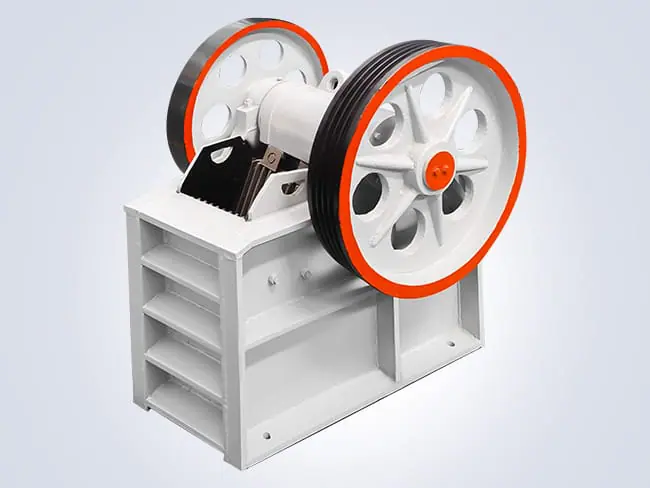
A jaw crusher is the most widely‑used primary crushing machine for processing hard and medium‑hard rocks and ores. It applies squeezing compression force to break large‑size raw stones. Thanks to stable mechanical structure, strong crushing capacity and easy‑maintenance design, jaw crusher acts as core primary crushing equipment in quarrying, mining, aggregate manufacturing and construction waste recycling. This article explains its working principle, typical application scenarios, core strengths, key buying factors and routine maintenance advice for plant operators and global project buyers. How Does a Jaw Crusher Work? Jaw crusher crushes raw materials through compressive squeezing force between fixed jaw plate and movable jaw plate. Jaw crusher mainly undertakes primary coarse crushing task. It reduces huge raw blocks into medium‑size particles, preparing feed materials for secondary crushing machines such as hammer crusher or impact crusher in complete production lines. Main Application Scenarios of Jaw Crushers Jaw crusher performs excellently for high‑hardness brittle raw materials. Widely used industries and raw materials include: Both stationary jaw crusher and mobile jaw crusher versions are available. Mobile jaw crusher is equipped with wheel chassis. It supports on‑site crushing without frequent material transportation, very suitable for temporary quarry sites and mobile construction waste treatment projects. Core […]

A hammer crusher is a widely-used impact-type crushing machine for processing soft and medium-hard brittle materials. Thanks to its high reduction ratio, simple-compact structure and flexible configuration, this equipment becomes a core option for aggregate production, mining processing, construction waste recycling and material preparation work. This article covers its working principle, typical applications, core advantages, key selection tips and daily maintenance suggestions for plant operators and project buyers. How Does a Hammer Crusher Work? The crushing process of hammer crusher mainly depends on high-speed impact force from rotating hammer heads. Different from jaw crushers focused on coarse crushing, most hammer crusher models can finish primary and fine crushing in one single stage, which simplifies whole production layout. Main Application Scenarios of Hammer Crushers Hammer crushers perform best for brittle, low-to-medium hardness materials. Common industries and raw materials include: Both stationary and mobile hammer crusher versions are available. Mobile hammer crushers equip wheels or crawler chassis, which support on-site crushing without material transportation, ideal for temporary construction waste projects. Key Advantages of Hengtong Hammer Crusher As a professional Chinese crusher manufacturer with over 20-year manufacturing experience, Hengtong Machinery optimizes hammer crusher structure for real-world site conditions. Our hammer crushing machines own […]
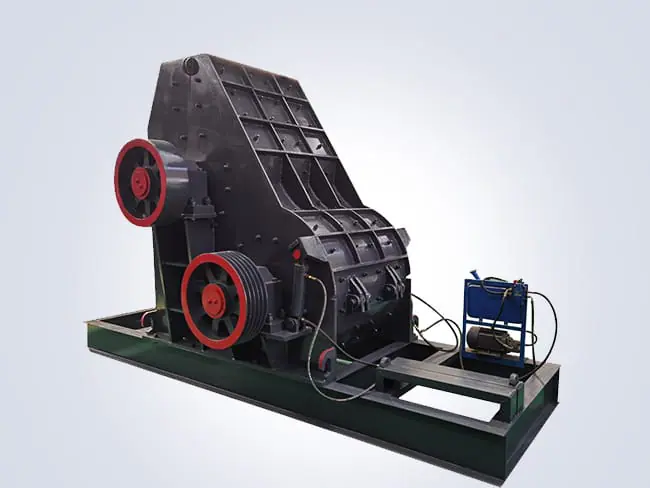
Many small‑and‑medium aggregate and recycling operators face a common headache: ordinary single‑rotor hammer crushers frequently get clogged when processing damp, clay‑mixed raw materials. Once sieve gaps are covered by sticky mud, output drops sharply, motors overload, and operators must spend hours cleaning blocked chambers. A two‑stage no‑screen base crusher (also known as double‑rotor non‑sieve fine crusher) was engineered to target exactly this industry pain point. Unlike conventional multi‑machine layouts that need primary hammer crusher plus secondary fine crushing equipment, this machine packs two serially‑arranged rotors inside one single housing. It removes the traditional grate‑bar screen at the discharge bottom. This special structural design allows continuous processing of wet, sticky, medium‑hard brittle feed without blockage. This article covers structural differences, suitable and unsuitable materials, typical production‑line setups, real‑world limitations and practical retrofitting guidance for project planners and plant managers. Visit our two‑stage crusher product page to check stationary and skid‑mounted unit specifications from Hengtong Machinery. Unique Structure & How It Differs From Single‑Rotor Hammer Crusher Standard single‑rotor hammer crushers rely on bottom grate bars to control finished particle size. When moisture and clay enter, wet material sticks onto grate openings and quickly builds up blockages, even under moderate humidity conditions. The […]
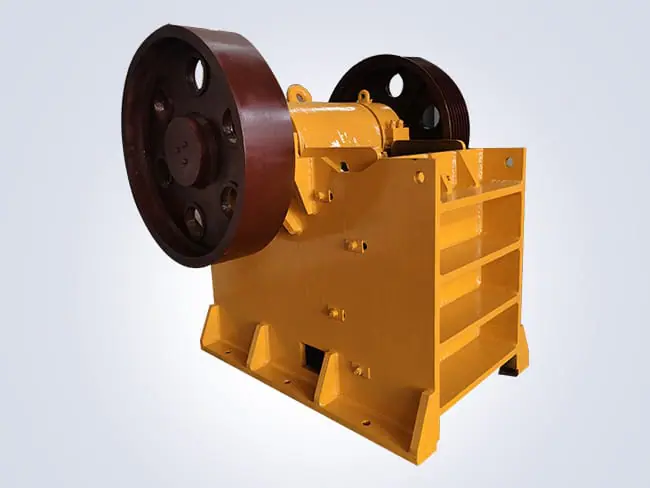
A jaw crusher acts as the core primary crushing machine in most quarry, mining and aggregate production lines. It handles large‑size hard rocks such as granite, basalt, river pebble and various ores, reducing big boulders into medium‑size materials for secondary crushing equipment. Many overseas buyers face confusion when selecting jaw crusher models. Improper selection will cause frequent blockage, insufficient output, fast wear of spare parts and higher overall operating cost. This buying guide from Hengtong Machinery covers jaw crusher basic working logic, applicable scenarios, key purchasing parameters, typical mistakes and practical advice for plant operators, project managers and procurement engineers. You can visit our jaw crusher product page to view detailed specifications of stationary and optional mobile jaw crushing units. Working Principle of Jaw Crusher Jaw crusher finishes material breaking by compressive squeezing force. Its crushing cavity is a V‑shaped space formed by fixed jaw plate and movable jaw plate. Driven by motor and eccentric shaft, the movable jaw plate makes periodic reciprocating motion. Materials are squeezed, bent and fractured inside the chamber. Qualified‑size materials drop out from the bottom discharge opening. Users can adjust discharge gap width to control intermediate output particle sizes for downstream processing. Different from impact‑type […]
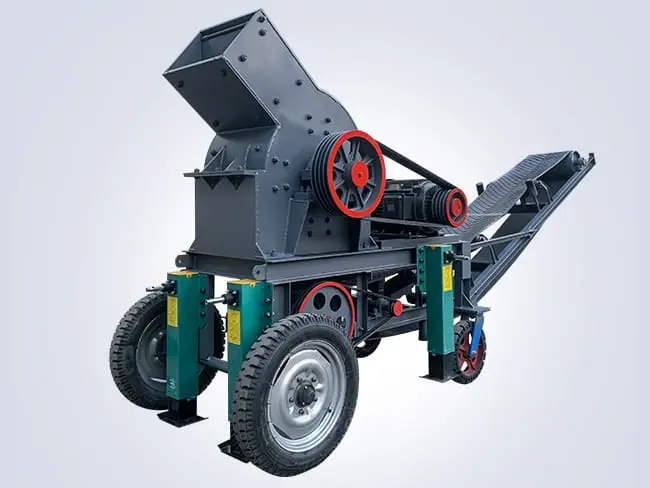
Hammer crusher, also known as PC hammer mill, is a widely used impact crushing equipment in mining, quarrying, construction waste recycling and building material industries. It uses high-speed hammer impact to break brittle and medium-hard materials into required particle sizes. Compared with jaw crushers for primary coarse crushing, hammer crushers can finish one-stage crushing and sizing, helping customers simplify production layouts and control investment costs. Working Principle The motor drives the rotor to rotate at high speed through V-belts. Multiple wear-resistant hammer heads are mounted on the rotor. When raw materials enter the crushing chamber from the top feed opening, they are hit violently by rotating hammers. Broken materials gain kinetic energy and rush toward liner plates and grate bars inside the chamber. Materials get crushed repeatedly by impact, collision and grinding. Particles smaller than the gap between grate bars will discharge through the grate; larger pieces stay inside the cavity and get crushed again until they meet the discharge standard. Users can adjust grate gaps to change finished size flexibly. Suitable Materials & Application Scenarios Hammer crushers fit brittle, medium-hard and low-abrasive materials. It is not recommended for very hard rocks with high silica content such as granite and […]
The double stage sand making machine, also known as two rotor fine crusher, is a popular sand-making equipment developed on the basis of hammer crusher. Different from VSI sand maker that suits hard stone shaping, this machine is specially designed for medium-hard, wet and sticky raw materials. It integrates two sets of rotors inside one machine body to finish primary crushing and fine crushing in one pass, simplifying the sand production flow for small and medium crushing plants. Working Principle Materials enter the crushing cavity from the top feeding port. First, the upper high-speed rotor hammer strikes and breaks the material for preliminary crushing. Then the broken material falls directly into the lower rotor area and gets impacted and crushed again by the second rotor. Inside the sealed chamber, materials collide against each other continuously under high-speed movement, forming hammer-on-rock and rock-on-rock crushing effect. This machine cancels the screen grate at the bottom. The finished sand discharges directly according to the gap between hammer heads and lining plates. There is no sieve plate to block wet, muddy or sticky materials. Operators can adjust the clearance to control discharge fineness, normally below 3 mm for manufactured sand. Suitable Materials & Application […]
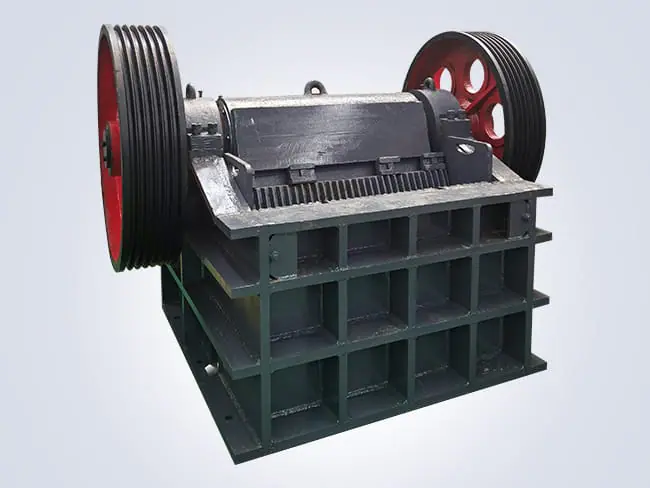
Jaw crusher is the primary crushing equipment in most stone and ore processing plants. It handles hard rock such as granite, basalt, river stone and mineral ore. Compared with secondary crushing machines, jaw crushers run under heavy compressive load for long hours. Lack of regular maintenance will lead to accelerated wear, unexpected shutdown and unstable production capacity. This guide shares standardized inspection cycles, key maintenance points for core components, common faults and practical solutions for on-site technicians and plant managers. Proper daily care helps keep steady throughput and lower long-term operating costs. You can visit our jaw crusher product page to check our equipment specifications and supporting wear parts. Safety Notes Before Any Inspection or Repair Safety must be prioritized before opening the crusher or performing maintenance work. Preventive Maintenance Schedule (Daily / Weekly / Monthly) Daily Check (Before startup and after each shift) Weekly Maintenance Monthly Maintenance Maintenance for Core Wear Parts and Key Components Jaw Plates (Fixed and Movable Jaw) Jaw plates are the main consumable parts. Their wear state directly affects crushing efficiency and finished particle size. Toggle Plate and Toggle Seat The toggle plate works not only as a force transmission part, but also as a […]
Hammer crusher is widely used for limestone, coal, construction waste and other medium‑hard brittle materials. Its high‑speed rotor and hammer head structure deliver high crushing ratio, yet it is sensitive to improper feeding, wear part aging and poor daily care. Unplanned downtime caused by sudden faults can delay the whole crushing line and raise operation cost. This practical guide covers routine maintenance schedules, inspection checklists, common faults and step‑by‑step fixes. It is written for plant operators, maintenance technicians and quarry managers. Following these practices helps extend equipment service life, keep stable throughput and reduce spare part consumption. You can also check our hammer crusher product page to learn more about our equipment and wear parts. Safety Precondition Before Any Inspection or Repair Safety comes first before opening the crusher housing or clearing blockages. Preventive Maintenance Schedule (Daily / Weekly / Monthly) Daily Check (Before & After Each Shift) Weekly Maintenance Monthly Maintenance Key Wear Parts Maintenance Tips Hammer Heads Hammer heads are the main consumable component. Uneven wear is the top cause of rotor vibration. Grate Bars Grate bars control finished particle size. Blocked or broken grate bars directly lead to coarse output and capacity drop. Bearings & Seals Bearings […]
Traditional hammer crushers with screen bottoms often suffer from blocking and screen‑clogging when processing wet, sticky or high‑humidity raw materials. The two‑stage non‑screen base mill (also called two‑stage crusher) solves this industry pain point with special double‑rotor and screen‑free structure. This machine is popular among aggregate plants, construction waste recycling factories and coal‑gangue processing projects. Working Principle of Two‑Stage Non‑Screen Base Mill Different from single‑rotor crushing machines, this crusher is equipped with two groups of rotors arranged in series. Raw materials go through first‑stage rotor for preliminary crushing, then drop to second‑stage rotor for secondary impact and smashing. Without screen‑plate at the bottom, finished materials discharge directly according to impact crushing effect, no screen mesh to get stuck by wet clay or damp debris. Hammer heads keep striking repeatedly to get fine‑size finished particles. Core Features & Benefits Suitable Raw Materials & Application Fields The two‑stage non‑screen base mill can process both dry hard stones and wet sticky materials: Common projects: Points You Need To Know Before Purchase FAQ for Two‑Stage Non‑Screen Base Mill Q: Does two‑stage crusher need jaw crusher in production line? A: If your incoming stones have very large block size, we highly suggest adding jaw crusher […]
A jaw crusher is one of the most widely‑used primary crushing machines in mining, quarrying, aggregate processing and construction waste recycling industries. It is designed for coarse crushing of hard rocks, ores and large bulk materials, reducing big‑size raw stones into medium‑size particles for the next crushing stage. As core equipment of a complete stone crushing line, a reliable jaw crusher directly influences the overall output and running stability of your whole plant. How Does a Jaw Crusher Work? The jaw crusher completes material crushing through squeezing force between fixed jaw plate and moving jaw plate. Driven by motor, the eccentric shaft pushes the movable jaw to perform periodic reciprocating motion. When the moving jaw moves toward fixed jaw, rocks inside crushing chamber get squeezed, bent and fractured. When the movable jaw swings away, qualified crushed materials drop down and discharge from the bottom discharge opening. Raw materials keep feeding from top inlet, and continuous squeezing circulation finishes mass coarse‑crushing work. Main Components of Jaw Crusher Key Advantages of Our Jaw Crusher Hengtong Machinery jaw crusher series adopts heavy‑duty frame and high‑strength wear‑resistant tooth plates, bringing obvious practical benefits for site operation: Typical Application Scenarios for Jaw Crusher Practical Buying […]
When you need a cost-effective primary and secondary crushing solution for stone, limestone, coal, construction concrete waste and other brittle materials, a hammer crusher is one of the most popular options in global mining and recycling industries. Our hammer crusher, also known as hammer mill crusher, adopts high-speed rotating hammer heads to strike, impact, shear and grind raw materials. It features a simple structure, compact layout and easy operation, which greatly reduces your on-site installation and maintenance workload. Core Advantages of Our Hammer Crusher Suitable Application Scenarios Our factory provides customized hammer crusher models according to your raw material type, required capacity and output size. We support different voltage configurations for global markets, and offer technical guidance for installation and operation. Contact us to share your crushing requirements, and we will send you detailed machine parameters and competitive factory price.
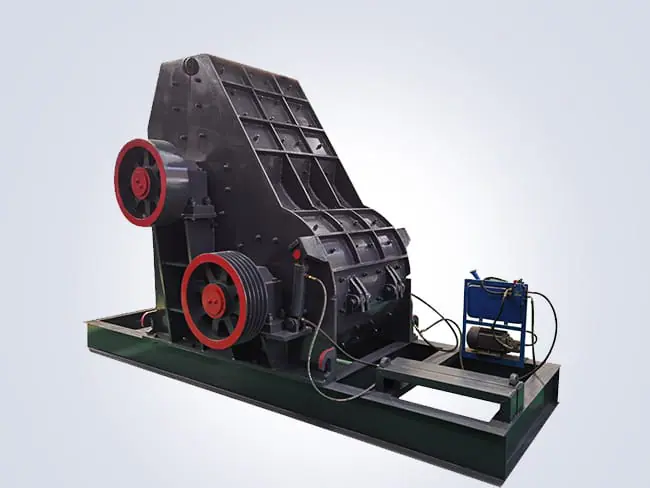
Producing high‑quality manufactured sand is critical for modern construction, highway, railway and concrete batching plant projects. A double rotor sand making machine has become a popular fine crushing and sand‑shaping solution for quarries and aggregate factories worldwide. Compared with traditional single‑rotor sand making equipment, the dual‑rotor design brings improvements in output, grain shape and operational stability for medium‑to‑large sand production lines. If you are looking for reliable sand‑making machinery for new project setup or equipment upgrade, this article covers working principle, core advantages, applicable raw materials, typical technical parameters, comparison with single‑rotor machine, maintenance tips and practical purchasing advice to help you make informed decisions. What Is a Double Rotor Sand Making Machine? A double rotor sand making machine (also called dual‑rotor sand maker, double‑stage rotor sand crusher) is fine crushing equipment equipped with two independently driven high‑speed rotors inside one crushing chamber. Two rotors run in cooperative rotation, completing primary crushing and secondary shaping inside the same cabinet. Raw materials enter the crushing cavity, get impacted, sheared and crushed by the first rotor, then receive further fine crushing and particle shaping from the second rotor. One machine finishes coarse‑to‑fine crushing without needing multi‑stage separate crushers. This integrated structure saves […]
