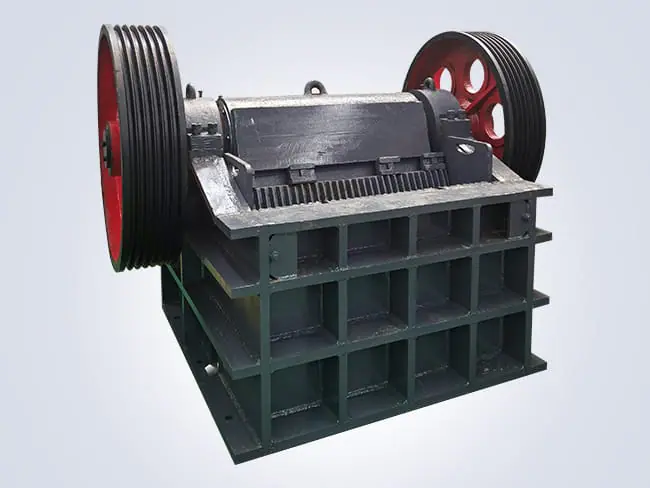
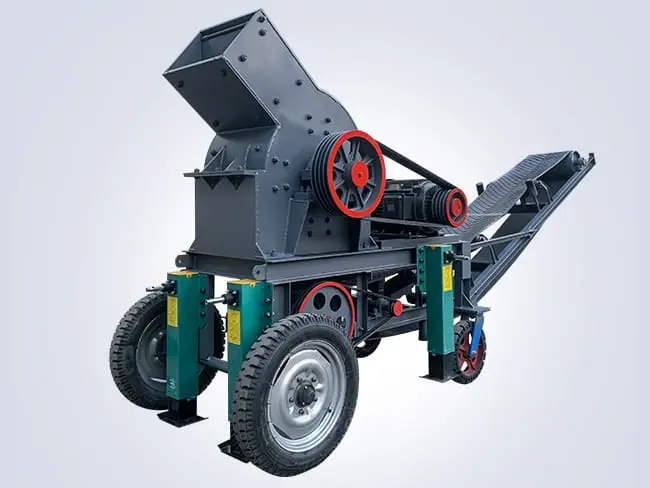
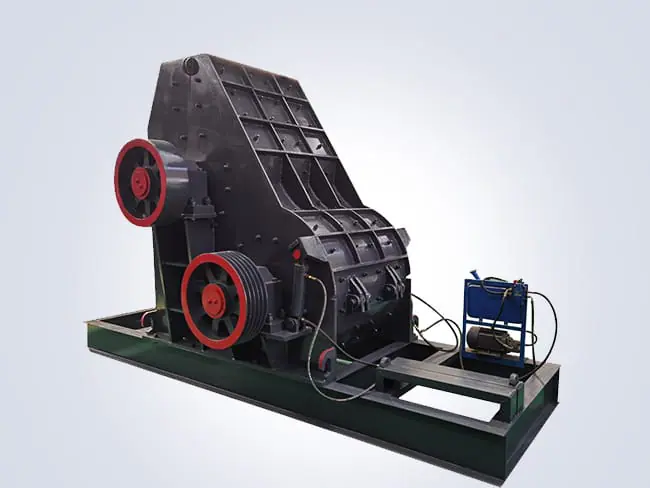
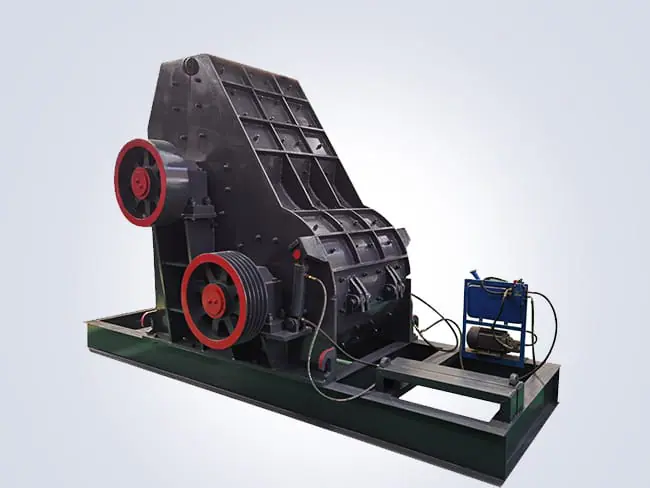
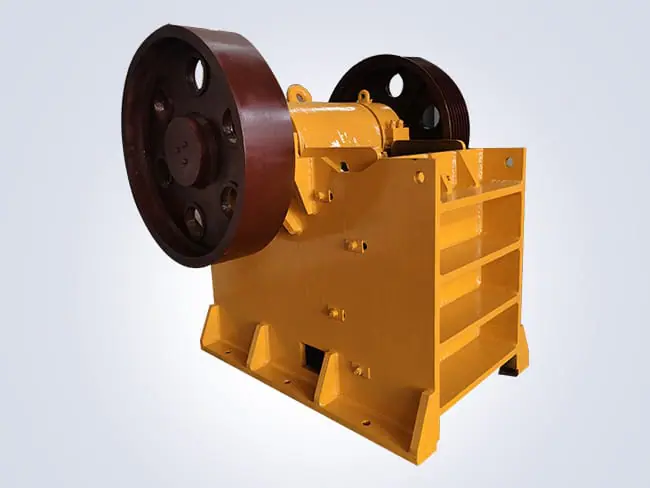
A jaw crusher is one of the most widely‑used primary crushing machines in mining, quarrying, aggregate processing and construction waste recycling industries. It is designed for coarse crushing of hard rocks, ores and large bulk materials, reducing big‑size raw stones into medium‑size particles for the next crushing stage. As core equipment of a complete stone crushing line, a reliable jaw crusher directly influences the overall output and running stability of your whole plant.
How Does a Jaw Crusher Work?
The jaw crusher completes material crushing through squeezing force between fixed jaw plate and moving jaw plate. Driven by motor, the eccentric shaft pushes the movable jaw to perform periodic reciprocating motion. When the moving jaw moves toward fixed jaw, rocks inside crushing chamber get squeezed, bent and fractured. When the movable jaw swings away, qualified crushed materials drop down and discharge from the bottom discharge opening. Raw materials keep feeding from top inlet, and continuous squeezing circulation finishes mass coarse‑crushing work.
Main Components of Jaw Crusher
- Fixed jaw plate & movable jaw plate (wear‑resistant tooth plates)
- Eccentric shaft
- Flywheel
- Toggle plate
- Adjustment seat for discharge opening
Key Advantages of Our Jaw Crusher
Hengtong Machinery jaw crusher series adopts heavy‑duty frame and high‑strength wear‑resistant tooth plates, bringing obvious practical benefits for site operation:
- Large feeding capacity & stable structure Solid welded frame can handle hard materials like granite, basalt, iron ore. It can accept large‑size feed material and keep stable performance under heavy‑load working conditions.
- Adjustable discharge size Users can adjust gap between jaw plates to change output particle sizes, meeting different production requirements for downstream sand‑making or secondary crushing.
- Easy operation & convenient maintenance Simple mechanical structure reduces failure risk. Wear parts such as jaw plates can be replaced quickly without complex professional tools, cutting your onsite downtime.
- Wide material compatibility Suitable for most hard and medium‑hard rocks, mineral ores, concrete blocks from construction waste.
Typical Application Scenarios for Jaw Crusher
- Quarry & mine primary crushing: granite, basalt, limestone, river pebble
- Aggregate production for highway, building and concrete batching plant
- Construction waste recycling: crush waste concrete and brick debris
- Small‑to‑medium mining processing projects
Practical Buying Tips for Jaw Crusher
Before placing your order, please confirm these key points to match equipment with your real‑world project:
- Maximum feed size of raw material Make sure the feed opening of selected jaw crusher can accept your largest input stones. Too small feed opening will cause frequent material blocking.
- Required hourly production capacity Calculate target tons‑per‑hour output. Both undersized and over‑capacity models will cause extra cost waste.
- Material hardness Extremely hard rock requires enhanced wear‑resistant tooth plate configuration.
- Stationary or mobile solution Choose stationary jaw crusher for fixed plant; pick mobile jaw crusher if your site needs frequent relocation.
- Spare‑part supply support Work with machinery suppliers that can provide fast spare‑part delivery for overseas projects.
FAQ about Jaw Crusher
Q: Can jaw crusher produce fine sand directly? A: No. Jaw crusher is primary coarse crushing equipment. It mainly makes medium‑size aggregates. You need secondary crusher (hammer crusher / impact crusher) for fine sand production.
Q: How long do jaw plates last? A: Service life depends on material hardness and daily working hours. High‑alloy jaw plates normally work several months under normal quarry conditions. Regular inspection helps you catch wear signs early.
Q: What’s the difference between primary and secondary jaw crusher? A: Primary jaw crusher has larger feed opening for big boulders. Secondary jaw crusher takes pre‑crushed smaller stones for further size reduction.
If you want to get detailed model parameters or customized solution for your crushing project, welcome to contact our engineering team at HT Machine.