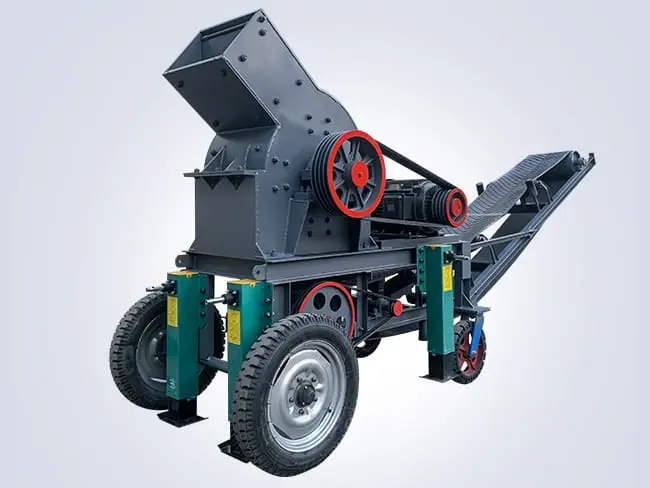
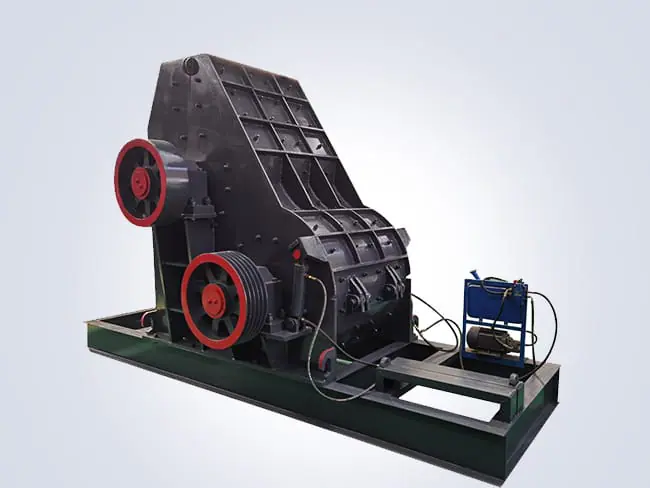
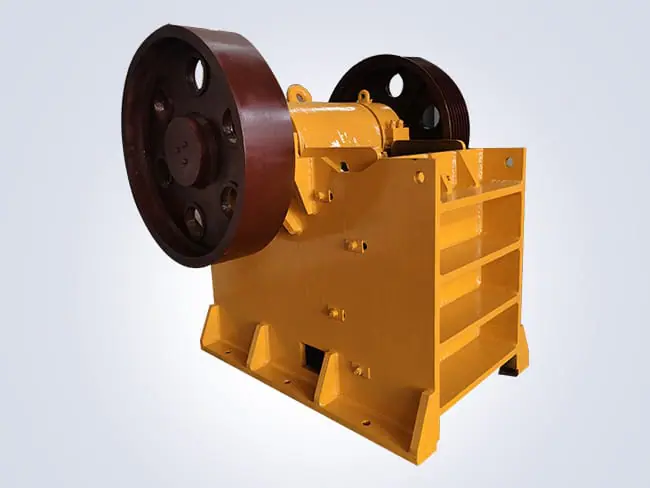
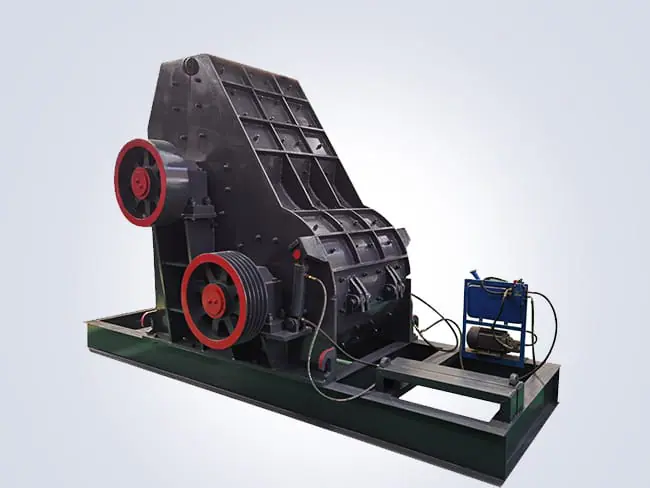
Jaw crusher is the primary crushing equipment in most stone and ore processing plants. It handles hard rock such as granite, basalt, river stone and mineral ore. Compared with secondary crushing machines, jaw crushers run under heavy compressive load for long hours. Lack of regular maintenance will lead to accelerated wear, unexpected shutdown and unstable production capacity.
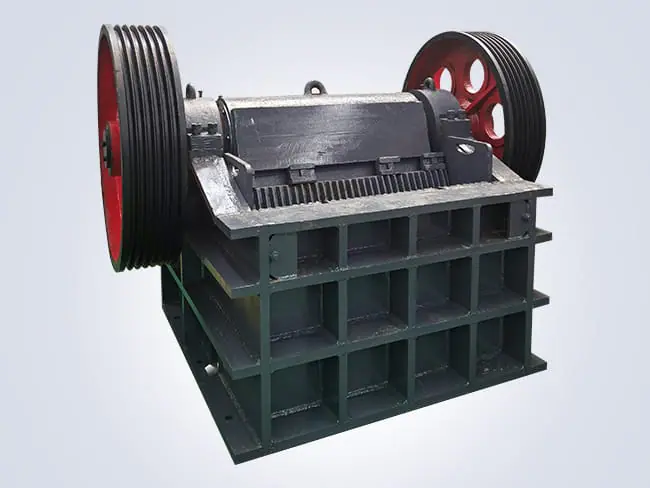
This guide shares standardized inspection cycles, key maintenance points for core components, common faults and practical solutions for on-site technicians and plant managers. Proper daily care helps keep steady throughput and lower long-term operating costs. You can visit our jaw crusher product page to check our equipment specifications and supporting wear parts.
Safety Notes Before Any Inspection or Repair
Safety must be prioritized before opening the crusher or performing maintenance work.
- Cut off the main power supply and lock the switch, hang warning signs to prevent accidental startup.
- Wait until the eccentric shaft and movable jaw stop completely. Do not put hands or tools into the crushing chamber when the machine is coasting.
- Wear safety goggles, protective gloves and anti-slip work shoes. Use standard tools instead of makeshift substitutes.
- When clearing material jams, avoid standing directly in front of the discharge opening.
Preventive Maintenance Schedule (Daily / Weekly / Monthly)
Daily Check (Before startup and after each shift)
- Listen for abnormal impact or grinding noise during no-load operation.
- Check bearing temperature; normal operating temperature should stay below 70–80°C.
- Check whether the movable jaw, toggle plate and toggle seat have abnormal looseness.
- Inspect the feeding condition, avoid uneven feeding and oversized blocks entering the cavity.
- Check all fastening bolts, including frame bolts and liner bolts.
- Observe the discharge opening to confirm no material accumulation blocking output.
- Check V-belts for cracks, aging and proper tension.
Weekly Maintenance
- Open the inspection cover to check the wear degree of fixed jaw plate and movable jaw plate.
- Clean dust and material residue around bearing housings and sealing components.
- Refill bearings with suitable lithium-based grease; avoid overfilling.
- Check the tension of V-belts, adjust or replace cracked belts.
- Inspect the guard plates and protective covers to ensure they are intact and fixed firmly.
Monthly Maintenance
- Measure the remaining thickness of jaw plates, arrange replacement plan in advance.
- Check the wear of toggle plate and toggle seat.
- Check the alignment of motor and crusher, and the condition of coupling parts.
- Clean the bearing housing and replace deteriorated grease.
- Re-tighten all anchor bolts of the base.
- Record operating data, wear status and abnormal conditions in maintenance logs.
Maintenance for Core Wear Parts and Key Components
Jaw Plates (Fixed and Movable Jaw)
Jaw plates are the main consumable parts. Their wear state directly affects crushing efficiency and finished particle size.
- Jaw plates wear faster at the lower section. When the wear is uneven, you can adjust the installation position to make full use of the material.
- Replace jaw plates in time when the tooth profile is severely worn, otherwise the crushing capacity will drop obviously.
- Select high manganese wear-resistant jaw plates to extend service life when processing hard abrasive rock.
- Ensure jaw plates are installed tightly without gaps to prevent loosening and impact damage.
Toggle Plate and Toggle Seat
The toggle plate works not only as a force transmission part, but also as a safety component of the jaw crusher.
- Check the toggle plate surface for cracks and deformation regularly.
- Keep the contact surface of toggle plate and toggle seat clean and well-lubricated.
- Do not use modified or non-matching toggle plates. Once overload occurs, the toggle plate is designed to break first to protect the main shaft and frame.
Bearings, Shaft and Seals
Bearings support the eccentric shaft and bear huge impact load. Dust pollution and improper lubrication are the main causes of bearing damage.
- Grease filling amount should be about 50% of the bearing housing space. Too much grease will cause overheating.
- Replace oil seals immediately if grease leakage or dust ingress occurs.
- Keep the dust shield intact to reduce rock dust entering the bearing chamber.
- Check the eccentric shaft regularly for abnormal runout.
Adjustment Device for Discharge Opening
The discharge gap controls finished particle size.
- Adjust the gap according to downstream production requirements after shutdown.
- Check the adjustment spring and gasket group regularly to avoid spring fatigue and failure.
- Lock the adjustment mechanism firmly after size adjustment to prevent displacement during operation.
Common Faults, Causes & Practical Solutions
1. Strong Vibration During Operation
Possible causes
- Loose foundation bolts or bearing seat bolts
- Uneven wear of jaw plates
- Hard foreign objects stuck in the crushing chamber
- Bearing damage or poor lubrication
- Uneven feeding and frequent impact load
Solutions
- Shut down and retighten all anchor bolts
- Check jaw plates and replace severely worn ones
- Remove metal or hard foreign objects inside the cavity
- Clean bearing housing, refill qualified grease or replace damaged bearings
- Adjust feeder speed to maintain uniform feeding
2. Bearing Overheating
Possible causes
- Excessive, insufficient or contaminated grease
- Damaged oil seal, dust entering the bearing
- Over-tight V-belt
- Bearing wear and fatigue damage
Solutions
- Clean old grease and add appropriate amount of new lubricant
- Replace the failed oil seal
- Readjust V-belt tension
- Replace the bearing assembly
3. Sudden Stop or Overload Trip
Possible causes
- Large blocks or non-crushable foreign materials block the crushing cavity
- Continuous overfeeding
- Toggle plate damage
- Voltage instability or motor failure
Solutions
- Cut off power, clean the blocked materials and foreign objects
- Optimize feeding speed and control maximum feed size
- Inspect toggle plate and toggle seat, replace damaged parts
- Check power supply and motor status
4. Output Size Becomes Coarse and Unstable
Possible causes
- Jaw plates heavily worn
- Discharge opening adjustment device loose
- Spring failure of the adjustment assembly
Solutions
- Adjust or replace jaw plates
- Re-calibrate and lock the discharge gap
- Replace failed adjustment spring
5. Sharp Abnormal Noise Inside Crushing Chamber
Possible causes
- Metal debris into the cavity
- Loose jaw plate bolts
- Collision between movable jaw and fixed jaw
Solutions
- Stop the machine immediately and clean foreign matter
- Tighten jaw plate fixing bolts
- Check and adjust the clearance of jaw assembly
Good Habits to Reduce Failure Risk
- Strictly control feed size, raw stone size cannot exceed the designed maximum feed opening.
- Equip iron remover before feeding to prevent metal pieces entering the crusher.
- Avoid long-term overload operation; monitor motor current during production.
- Prepare spare wear parts including jaw plates, toggle plates, bearings and oil seals to shorten downtime.
- Train operators to identify early warning signals: rising temperature, strange noise, vibration and capacity decline. Early handling can avoid secondary damage.
FAQ
Q: Can I continue running when jaw plate teeth are worn flat? A: It is not recommended. Flat jaw teeth reduce squeezing effect, output becomes coarse and power consumption rises. It will also increase impact load on other components.
Q: How often should I lubricate jaw crusher bearings? A: It depends on working conditions. For dusty quarry sites, follow the weekly lubrication plan and inspect grease quality every month.
Q: What is the function of toggle plate? A: It transfers crushing force and acts as a safety fuse. When unbreakable materials enter and cause overload, the toggle plate breaks to protect the main frame and eccentric shaft.
Conclusion
Jaw crusher is robust for hard rock crushing, but stable performance relies on standardized maintenance. Forming a fixed inspection cycle, managing wear parts reasonably and handling small faults in time can effectively extend service life and control production cost.
If you need technical support or matching wear parts for jaw crushing equipment, contact the Hengtong Machinery team. We can provide customized solutions for your quarry and aggregate production line.