
+86 18236970567Sales hotline


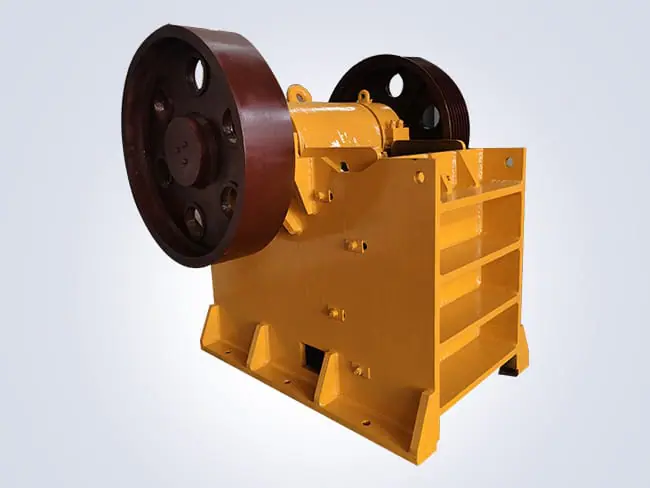
If you are sourcing crushing equipment for a quarry, mine, or construction project, the jaw crusher is almost always the first machine on the list. As the primary crusher in most crushing plants, it breaks large rocks into smaller, manageable pieces before they move to secondary crushing. In this guide, we explain how a jaw crusher works, the difference between PE and PEX series, the key factors that affect jaw crusher price, and how to choose the right model for your material and output. What Is a Jaw Crusher? A jaw crusher is a primary crushing machine that reduces large rocks into smaller stones using compressive force. It consists of two vertical jaw plates — one fixed and one moving — and crushes material in the V-shaped cavity between them. Because of its simple structure, high crushing ratio, and reliable performance, the jaw crusher is widely used in: How Does a Jaw Crusher Work? The working principle is straightforward but powerful: The feed opening size, eccentric shaft speed, and discharge setting determine the capacity and final product size. PE vs PEX Jaw Crusher: What’s the Difference? Both belong to the jaw crusher family, but they serve different stages of crushing. […]

Hammer Crusher: Ultimate Buying Guide for Mineral & Construction Crushing In the mining, construction, aggregate, and recycling industries, choosing a reliable crushing machine directly determines production efficiency and operational profitability. Among all mainstream crushing equipment, the hammer crusher stands out for its one-time forming, high output, and cost-effective operation. It has become the preferred primary and secondary crushing equipment for global small and medium-sized processing plants. This blog will comprehensively introduce the working principle, core advantages, application scenarios, key selection criteria, and maintenance tips of hammer crushers, helping international buyers quickly find the most suitable crushing solution for their projects. 1. What Is a Hammer Crusher? A hammer crusher is a impact-type crushing equipment that crushes materials through high-speed rotating hammer heads. Different from jaw crushers and cone crushers that rely on extrusion force, hammer crushers utilize the high-speed impact, collision, and grinding of hammer blades to break bulk materials into uniform fine particles in one pass. It supports dry and wet dual crushing modes, and is widely applicable to brittle, medium-hard materials with compressive strength no more than 150MPa. The equipment features a simple structure, small footprint, and low investment cost, making it ideal for small-scale crushing production lines […]
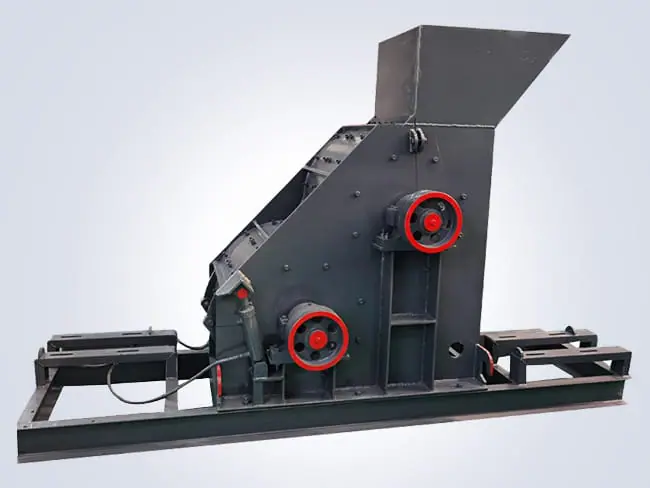
Coal gangue is a common industrial waste from coal mining operations. It once piled up for years. It occupied large land areas and caused severe environmental pollution. A professional coal gangue sand making machine turns this waste into high-value manufactured sand. It helps mining plants and construction material producers cut costs and raise profit margins. This guide covers the top core benefits of a coal gangue sand making machine. It explains why this equipment is a top choice for global aggregate project investors. 1. 100% Coal Gangue Waste Recycling & Disposal Solution Traditional coal gangue treatment relies on open stacking or landfilling. This method causes long-term soil pollution and massive resource waste. The coal gangue sand making machine crushes waste coal gangue into qualified construction sand. It turns industrial solid waste into reusable, sellable building materials. The finished sand works for concrete batching, road base construction and brick production. It lifts overall coal gangue resource utilization rates to near 100%. 2. Consistent, High-Quality Manufactured Sand Output Sand quality directly determines the grade of end construction projects. Uneven particle size cuts the commercial value of manufactured sand products. The coal gangue sand making machine uses optimized crushing and shaping technology. It […]
Stone Jaw Crusher: Key Advantages for Your Crushing Plant A stone jaw crusher is widely used as primary crushing equipment. It breaks big rocks and ores into smaller particles. Quarries, mines and aggregate plants choose this machine for stable performance. 1. Strong crushing force for hard raw materials The jaw crusher uses compressive force to crush stone. It handles hard rock like granite, basalt and quartz. Large raw stone can go directly into the crushing chamber. It works well for abrasive mining ore. 2. Simple and solid machine structure The stone jaw crusher has a simple design. Fewer complex parts reduce failure risk. Heavy-duty frame supports long-time continuous running. Operators can understand its working principle quickly. 3. Low maintenance and easy operation Jaw plates are the main wearing parts. Users can replace jaw plates easily. Normal maintenance takes little time. You do not need highly skilled workers to run it. This cuts your daily operation cost. 4. Wide application range This jaw crushing machine fits many materials. Limestone, granite, basalt, concrete, river stone and mining ore. It works in stationary crushing lines. Mobile jaw crusher version is also available for site moving. Good for quarry, road construction and aggregate production. […]
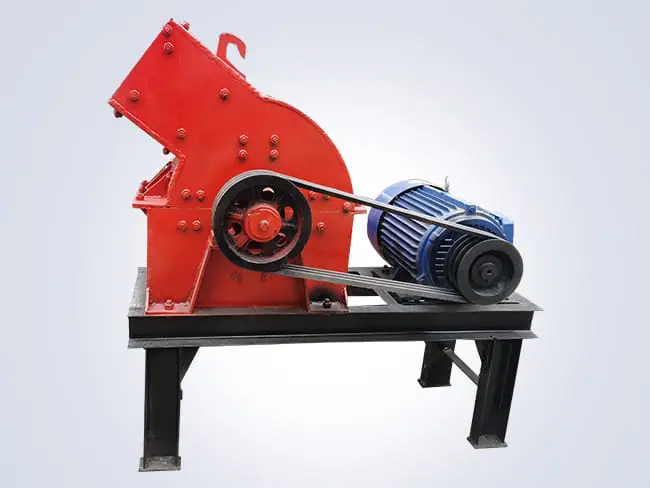
A hammer crusher is a widely used impact crushing machine. It uses hammer heads rotating at high speed to strike and break raw materials. Many mining and recycling projects need simple, low-cost crushing equipment. Hammer crushers are a popular choice for small and medium crushing lines. Top Advantages of Hammer Crusher How Does A Hammer Crusher Work? Material enters the crushing chamber from the top feed port. Rotating hammer heads hit the material repeatedly. Material breaks along natural cracks. Small qualified particles pass through the grate bar. Larger pieces stay inside and get crushed again. Common Application Scenarios FAQ What material can a hammer crusher process? It works well for medium-hard and brittle materials. Examples include limestone, coal, shale and construction debris. It is not ideal for very hard rock with high abrasion. Is the hammer crusher easy to maintain? Yes. The design is simple. Worn hammer heads can be replaced on site. Daily inspection only needs a short time. What is the difference between hammer crusher and jaw crusher? Jaw crushers handle large hard rock for primary crushing. Hammer crushers do primary and secondary crushing for brittle materials. Hammer crusher can produce finer finished particles in one step. Contact […]
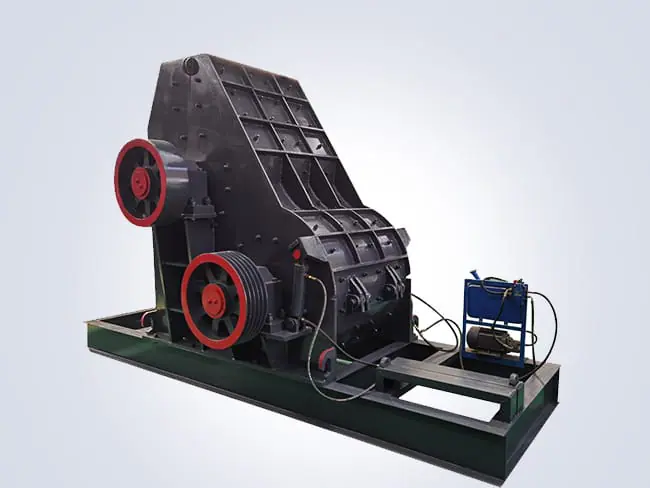
A two-stage no-screen crusher is a double rotor fine crushing machine without a screen bottom. Traditional fine crushers often face clogging problems. Wet, sticky raw materials stick to the screen and stop production. The two-stage no-screen crusher removes the sieve design. It uses two rotors to crush materials twice. The first rotor breaks large stones into medium size. The second rotor hits the material again to reach fine particle output. No screen means no blockage. This machine works well for high moisture materials. Common Raw Materials For Two-stage No-screen Crusher Many crushing machines cannot handle wet feed. Even a small moisture level causes screen plugging. The two-stage no-screen crusher avoids this weakness. It can crush wet and sticky materials steadily. Key Advantages of Two-stage No-screen Crusher This crusher is widely used in brick factories, coal plants, solid waste recycling, and small mining sites. Buyers can choose different capacity models. Small capacity for workshop use. Heavy-duty models for large crushing lines. FAQ What is a two-stage no-screen crusher? It is a double rotor fine crusher without a sieve. Two rotors crush materials two times to get fine sand and powder. Can it crush wet clay? Yes. The no-screen design prevents blockage […]
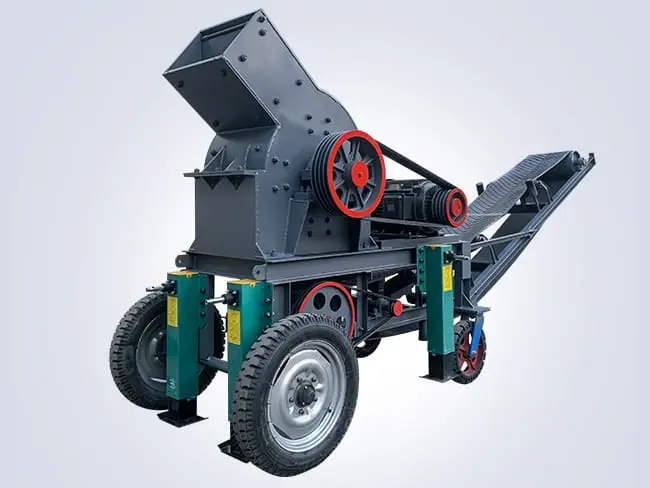
A hammer crusher is a high-efficiency stone crushing machine for mining and construction industries. It delivers fine and medium crushing results with low investment costs. This equipment suits brittle and soft materials for industrial processing. What Is a Hammer Crusher A hammer crusher is a mechanical crushing device. It uses high-speed rotating hammers to strike raw materials. The machine breaks stones and ores into small particles through impact and collision. It features a simple structure and stable operation. The hammer crushing machine supports dry and wet crushing modes. It is widely used in small and medium crushing production lines. Working Principle of Hammer Crusher The working process of a hammer crusher is straightforward and efficient. The motor drives the rotor to rotate at a constant high speed. Raw materials enter the crushing chamber from the top feeding port. High-speed hammerheads strike the materials instantly. The materials crash against the liner plate and collide with each other. Repeated impact breaks large materials into fine grains. Qualified particles pass through the screen mesh and discharge out. Oversized materials stay in the chamber for secondary crushing. This circulating crushing mode ensures uniform output particle size. It improves overall crushing efficiency effectively. Key Features […]
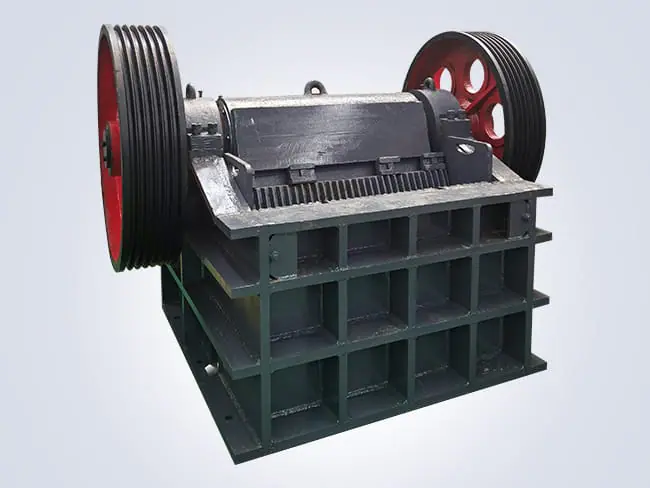
A jaw crusher is one of the most popular primary crushing machines in the mining and construction industries. It features a simple mechanical structure, stable running performance, and reliable processing capacity. For this reason, it is widely used in quarrying, stone aggregate processing, road construction, and construction waste recycling. As the first-stage crushing equipment in most production lines, it plays a vital role in reducing large raw stone into manageable sizes for further processing. The working principle of a jaw crusher is straightforward and efficient. The machine relies on two jaw plates — a fixed jaw and a movable jaw — to squeeze and crush hard materials. A motor drives the eccentric shaft, which creates continuous reciprocating movement for the movable jaw. When raw materials enter the crushing chamber, they are compressed and ground into smaller particles. Qualified materials exit through the bottom discharge opening, while oversized stones remain inside for repeated crushing. This process ensures stable, continuous production. Jaw crushers offer strong adaptability for diverse working conditions. They can crush various raw materials, including granite, limestone, basalt, and iron ore. Multiple equipment models are available, covering small laboratory units, medium plant-grade machines, and heavy-duty industrial crushers. Users can freely […]
A double-stage screenless sand making machine crushes wet and sticky material without clogging. It uses two rotors and removes the screen mesh entirely. The result is stable output, uniform particle size, and lower maintenance. This machine is built for construction waste, recycled sand, and wet aggregate. What Is a Double-Stage Screenless Sand Making Machine? It is also called a double rotor screenless crusher. This machine belongs to the medium-fine crushing family. It solves the screen-clogging problem of traditional hammer crushers. Two rotors are stacked inside the crushing chamber. There is no screen mesh at the bottom. Material enters once and goes through two crushing stages. The machine directly produces finished sand. No secondary screening equipment is needed. This simplifies the whole sand production line. How Does the Double Rotor Crusher Work? Raw material enters the upper crushing chamber first. The upper rotor spins at high speed. Hammer heads hit the material for primary crushing. Broken material drops into the lower chamber. The second rotor strikes and grinds it again. Because there is no screen, material exits freely. Particle size is controlled by hammer gap adjustment. Users can change the gap to adjust output size. Finished sand is normally below 3mm. […]
A jaw crusher is a primary crushing machine for mining and construction industries. It breaks large hard stones into uniform small particles. This heavy-duty crushing equipment suits granite, basalt, limestone and ore materials. It is the most widely used primary crusher in aggregate production lines. What Is a Jaw Crusher? A jaw crusher relies on compressive force to crush raw stones. It has a fixed jaw plate and a movable jaw plate. The movable jaw swings repeatedly to squeeze raw materials. Continuous squeezing and grinding reduce stone size effectively. This primary crushing device features simple structure and stable performance. It supports dry and wet crushing working conditions. It adapts to various harsh mining and quarry environments. Core Working Principle of Jaw Crusher The jaw crushing process follows fixed mechanical logic. A motor drives the eccentric shaft to rotate. The eccentric shaft pushes the movable jaw to generate periodic swing. Materials enter the crushing chamber from the top feeding port. When the movable jaw closes, materials get squeezed and crushed. When the movable jaw opens, finished materials discharge from the bottom gap. Circular crushing and discharging form continuous production. Users can adjust the discharge gap to control final particle size. This […]
A hammer crusher is a widely used industrial stone crushing machine. It uses continuous hammer impact force to crush bulk raw materials into fine uniform particles. It serves core crushing needs in mining, construction, and aggregate production industries. This hammer crushing machine features a simple and sturdy structure. It requires low initial investment for users. It completes primary and secondary crushing in a single step. It is a highly cost-effective device for small and medium crushing projects. What Is a Hammer Crusher? A hammer crusher, also called a hammer mill crusher, is an impact-based crushing device. High-speed rotating hammer heads strike incoming raw materials powerfully. It breaks large stones and ores into standard fine finished particles for industrial use. It differs from jaw crushers and cone crushers with its one-time forming design. It eliminates repeated multi-stage crushing procedures. It effectively cuts down overall operation costs of the complete crushing line. This equipment works best for brittle and medium-hard materials. Common processable materials include limestone, bluestone, coal, gypsum, and weathered rock. Main Types of Hammer Crusher Hammer crushers come in various types for different production demands. Each model matches specific material hardness and project scales. Below are the three most mainstream […]
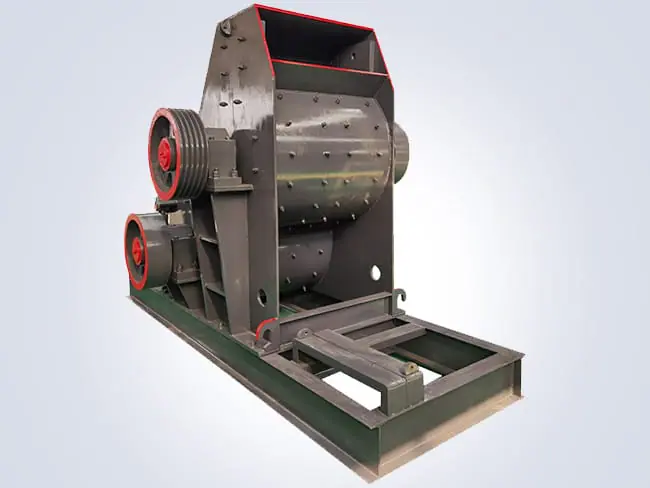
A sand making machine is a core industrial crushing and processing device. It manufactures high-quality manufactured sand from various hard rocks and mineral raw materials. It effectively replaces scarce natural sand. It meets booming global demands for construction aggregates and mining materials. Natural sand resources are increasingly depleted worldwide. This makes artificial sand production a mainstream choice for aggregate plants. A high-performance sand making machine delivers uniform sand grain size. It maintains a stable fineness modulus. It also boosts overall production efficiency for sand processing lines. What Is a Sand Making Machine? A sand making machine is also known as a vertical shaft impact crusher (VSI crusher). It is professional fine crushing equipment for aggregate processing. It crushes large bulk stones into standard construction sand and gravel. Usable raw materials include granite, basalt, limestone, river pebbles and bluestone. This industrial sand processing equipment fixes the shortage of natural sand supplies. It supports adjustable artificial sand particle sizes for different engineering needs. It acts as the core equipment of a complete aggregate crushing and sand making production line. Main Types of Sand Making Machines Different sand making machine models fit different production scales. They also adapt to diverse raw material hardness […]
