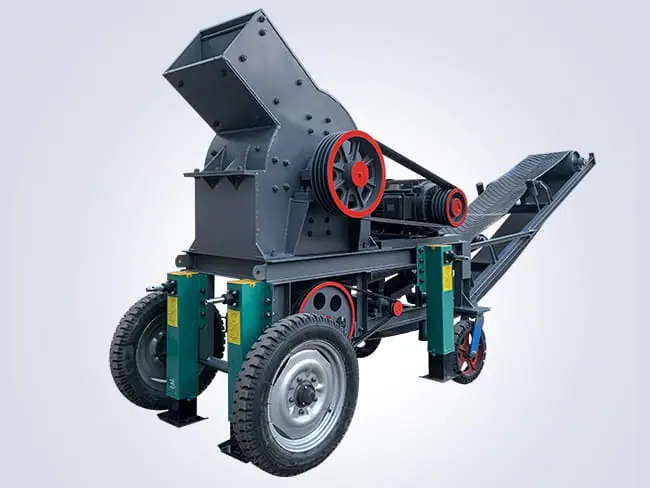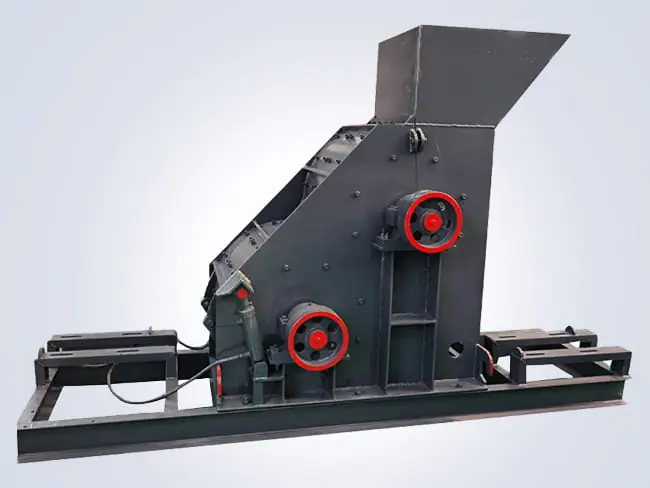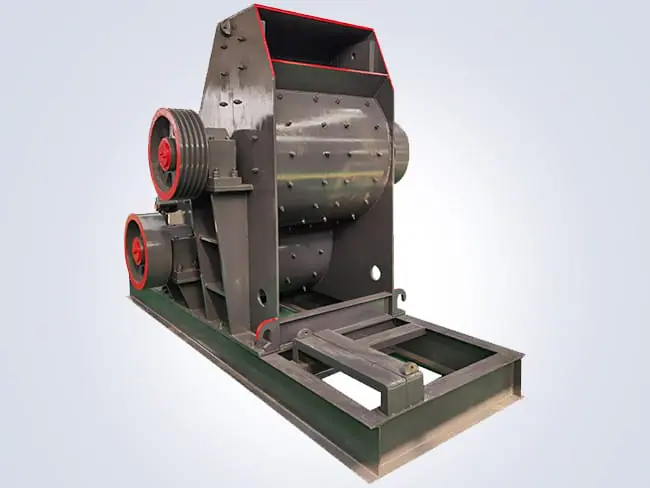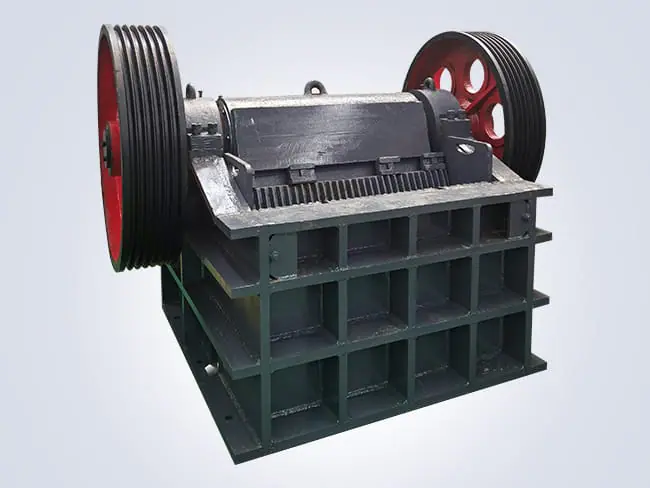
A jaw crusher is one of the most popular primary crushing machines in the mining and construction industries. It features a simple mechanical structure, stable running performance, and reliable processing capacity. For this reason, it is widely used in quarrying, stone aggregate processing, road construction, and construction waste recycling. As the first-stage crushing equipment in most production lines, it plays a vital role in reducing large raw stone into manageable sizes for further processing.
The working principle of a jaw crusher is straightforward and efficient. The machine relies on two jaw plates — a fixed jaw and a movable jaw — to squeeze and crush hard materials. A motor drives the eccentric shaft, which creates continuous reciprocating movement for the movable jaw. When raw materials enter the crushing chamber, they are compressed and ground into smaller particles. Qualified materials exit through the bottom discharge opening, while oversized stones remain inside for repeated crushing. This process ensures stable, continuous production.
Jaw crushers offer strong adaptability for diverse working conditions. They can crush various raw materials, including granite, limestone, basalt, and iron ore. Multiple equipment models are available, covering small laboratory units, medium plant-grade machines, and heavy-duty industrial crushers. Users can freely adjust the discharge size to meet different finished particle requirements for various projects.
Compared with other crushing equipment, jaw crushers provide obvious advantages. They deliver a large crushing ratio and uniform aggregate shapes. Core wear parts adopt high-manganese steel material, which improves durability and reduces failure rates. The equipment is easy to operate and maintain. It minimizes downtime and supports long-term, high-efficiency operation, effectively lowering overall production and maintenance costs.
Today, the jaw crusher has become essential equipment in aggregate production, mineral processing, and waste material recycling. Proper model selection and daily maintenance can greatly improve production line efficiency. It provides stable and consistent stone material supply for mining, road construction, and infrastructure projects worldwide.