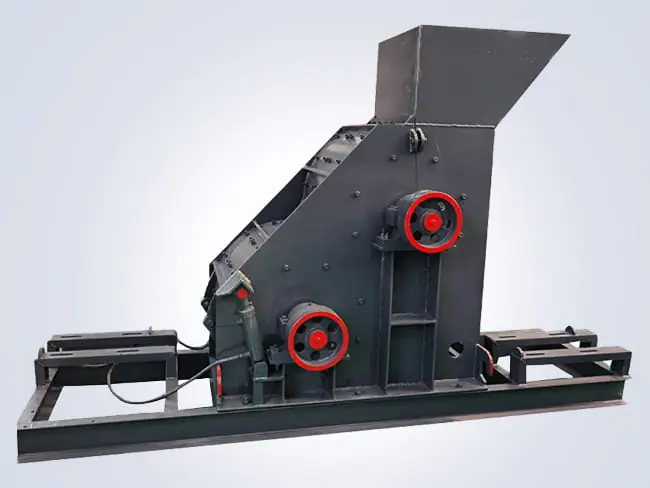
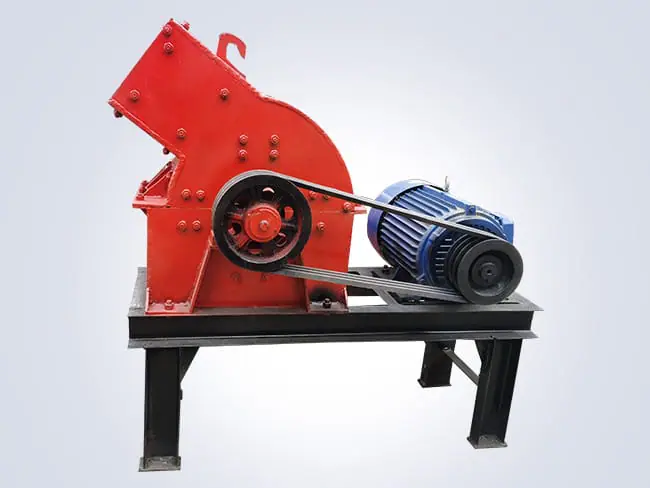
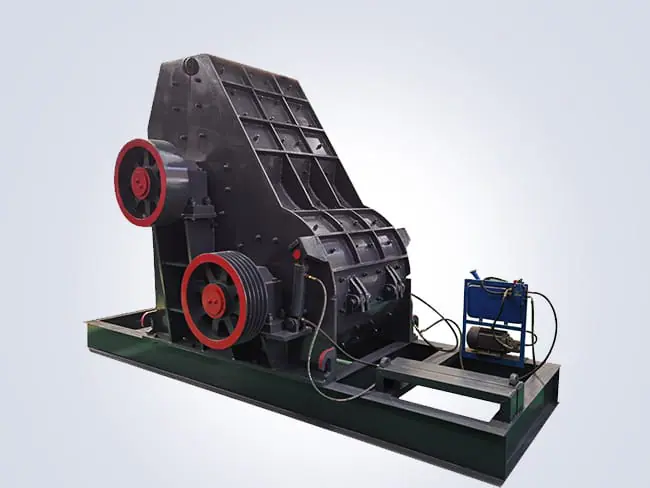
If you are sourcing crushing equipment for a quarry, mine, or construction project, the jaw crusher is almost always the first machine on the list. As the primary crusher in most crushing plants, it breaks large rocks into smaller, manageable pieces before they move to secondary crushing.
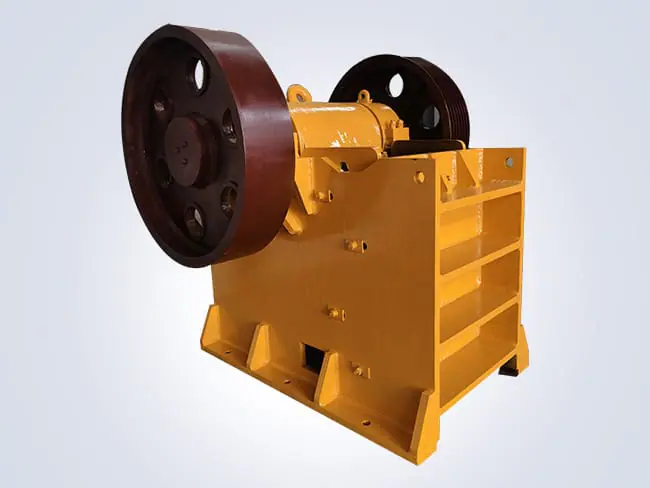
In this guide, we explain how a jaw crusher works, the difference between PE and PEX series, the key factors that affect jaw crusher price, and how to choose the right model for your material and output.
What Is a Jaw Crusher?
A jaw crusher is a primary crushing machine that reduces large rocks into smaller stones using compressive force. It consists of two vertical jaw plates — one fixed and one moving — and crushes material in the V-shaped cavity between them.
Because of its simple structure, high crushing ratio, and reliable performance, the jaw crusher is widely used in:
- Mining and ore processing (iron ore, copper ore, gold ore)
- Aggregates and quarrying (granite, basalt, limestone, river stone)
- Construction and demolition waste recycling
- Cement, metallurgy, and chemical industries
- Highway, railway, and water conservancy projects
How Does a Jaw Crusher Work?
The working principle is straightforward but powerful:
- The motor drives the belt and pulley, which rotates the eccentric shaft.
- The eccentric shaft moves the movable jaw up and down.
- When the movable jaw rises, the angle between the toggle plate and the jaw increases, pushing the movable jaw toward the fixed jaw.
- Material is squeezed, split, and crushed in the crushing cavity.
- When the movable jaw moves down, the material is discharged through the bottom outlet.
The feed opening size, eccentric shaft speed, and discharge setting determine the capacity and final product size.
PE vs PEX Jaw Crusher: What’s the Difference?
Both belong to the jaw crusher family, but they serve different stages of crushing.
| Feature | PE Series | PEX Series |
| Crushing stage | Primary (coarse) crushing | Secondary (fine) crushing |
| Feed size | Larger (up to 1200 mm) | Smaller |
| Output size | Coarse, 40–350 mm | Fine, 10–90 mm |
| Typical use | First-stage breaking of big rocks | Further size reduction |
| Capacity | Higher | Moderate |
Rule of thumb: use PE for the first crush, and PEX when you need a smaller, more uniform output.
Key Components of a Jaw Crusher
Understanding the main parts helps you judge quality and maintenance cost:
- Frame — the main body; welded or cast steel.
- Jaw plates (fixed & movable) — the wear parts that directly contact material. Often made of high-manganese steel (Mn13, Mn18).
- Eccentric shaft — the heart of the machine, converting rotation into crushing motion.
- Toggle plate — transmits force and protects the machine from overload.
- Flywheel — stores energy and keeps the machine running smoothly.
- Motor & belt drive — provides power.
How to Choose the Right Jaw Crusher
Before requesting a quotation, prepare these five parameters:
- Feed size — the largest rock dimension your material has.
- Required output size — the final product you need to sell or process.
- Capacity (t/h) — tons per hour your plant must handle.
- Material hardness & abrasiveness — granite and basalt are tougher than limestone.
- Working environment — fixed plant or mobile crushing station?
A reliable jaw crusher manufacturer will recommend a model based on these, not just sell you the biggest machine.
What Affects Jaw Crusher Price?
Jaw crusher price varies widely because no two requirements are identical. The main cost drivers are:
- Model & capacity — larger capacity means a higher price.
- Material quality — manganese content of jaw plates and the steel grade of the frame.
- Motor brand — domestic vs. international brands (Siemens, ABB).
- Customization — special voltage, color, or configuration.
- Order quantity & shipping — FOB, CIF, or EXW terms.
Always compare price per ton of capacity, not just the headline price. A cheaper machine with short lifespan often costs more in the long run.
Jaw Crusher Maintenance Tips
Regular maintenance extends machine life and protects your investment:
- Lubricate bearings regularly with the recommended grease.
- Check jaw plate wear and rotate or replace them in time.
- Inspect belt tension — too loose reduces capacity, too tight wears bearings.
- Keep the feed even — avoid feeding oversized or uneven material.
- Tighten all bolts after the first week of operation.
Frequently Asked Questions
Q1: What is a jaw crusher used for? A jaw crusher is mainly used as a primary crusher to reduce large rocks into smaller sizes for mining, quarrying, construction, and recycling.
Q2: What is the difference between PE and PEX jaw crushers? PE is for coarse/primary crushing with a larger feed opening, while PEX is for fine/secondary crushing and produces a smaller output size.
Q3: How do I get a jaw crusher price? Share your feed size, required output size, capacity, and material type with the supplier. You will receive an accurate quotation within 24 hours.
Q4: Can a jaw crusher process wet or sticky material? Yes, but sticky material may cause blockage. In that case, a feeder and proper discharge setting are recommended.
Q5: What is the lifetime of a jaw plate? It depends on material abrasiveness. For hard rock like granite, expect several months and plan for rotation to extend life.
Conclusion
The jaw crusher is the backbone of any crushing line. Choosing the right type, size, and supplier directly affects your production efficiency and profit. Focus on your material, capacity, and output requirements — then compare machines by value, not just price.
Ready to start your project? Contact us with your requirements and get a free quotation and model recommendation today.