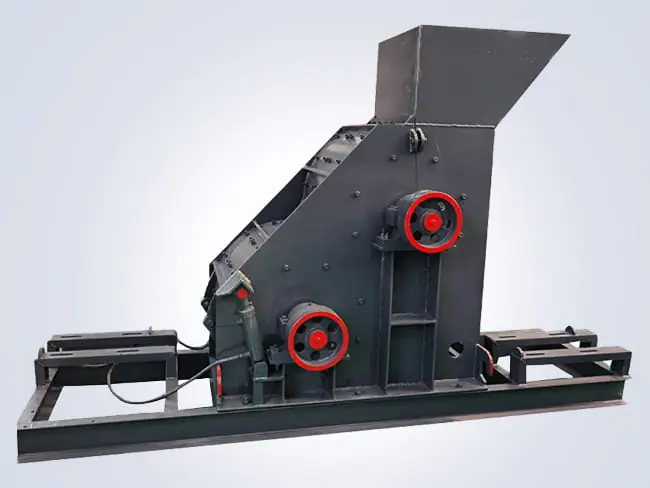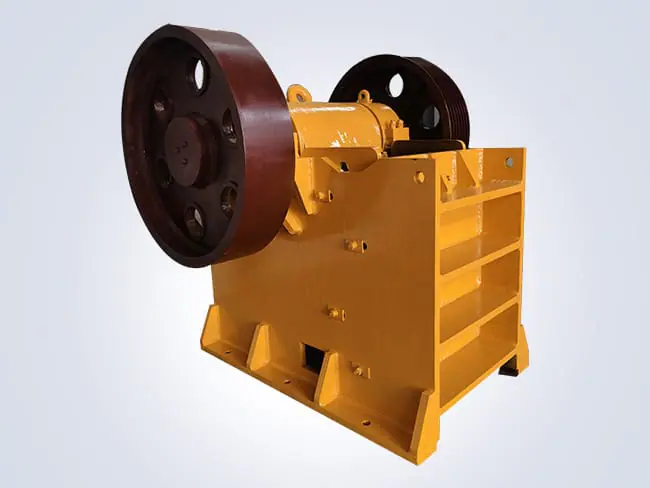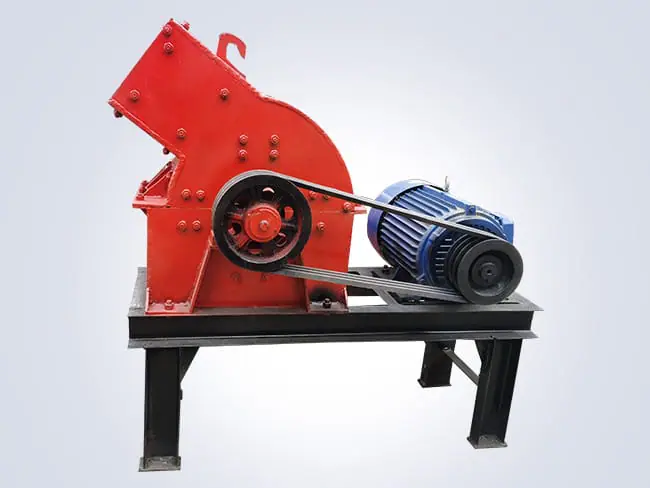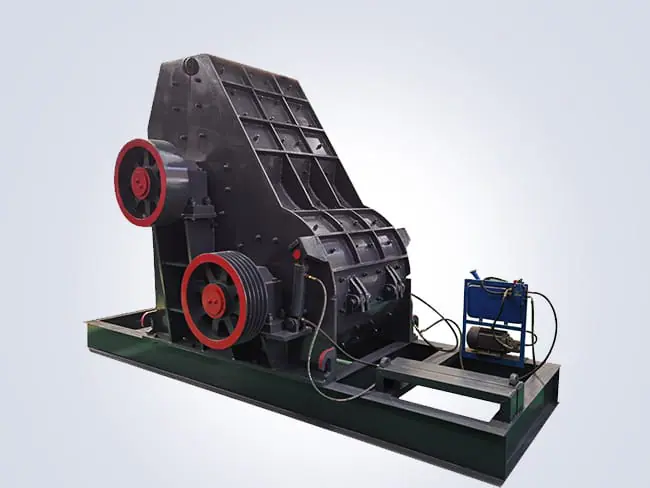
In the crushing processes of industries such as ore processing, sand and gravel aggregate production, and infrastructure solid waste treatment, jaw crushers serve as front-end coarse crushing equipment. With their mature and stable mechanical structure, they have been widely used in various hard material processing scenarios for a long time, making them indispensable foundational equipment for the entire crushing production line.
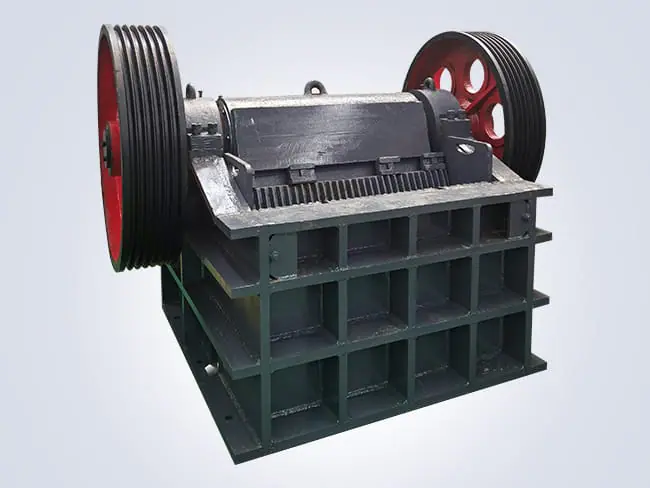
The jaw crusher, commonly known as a jaw breaker, operates on a core logic that mimics the biting and crushing action. The entire machine is composed of components such as the frame, eccentric shaft, movable jaw, fixed jaw, flywheel, toggle plate, and spring adjustment assembly. The motor drives the eccentric shaft via a pulley, causing the movable jaw to perform periodic reciprocating swings. When the movable jaw approaches the fixed jaw, large chunks of material entering the crushing chamber are gradually broken by compression and splitting; as the movable jaw retracts, materials meeting the required particle size are discharged from the bottom outlet by gravity, completing the continuous crushing process through repeated cycles. The crushing chamber features a deep design with a wider upper section and a narrower lower one, eliminating internal dead zones. The material is crushed in layers during its descent, ensuring uniform discharge particle size. The outlet size can be adjusted via the rear shim mechanism to accommodate different finished product specifications.
The equipment materials are fully adapted to heavy-duty working conditions, with the mainframe constructed from thick steel plate welding or cast steel integral forming, ensuring excellent impact resistance. The jaw plates and side guards in direct contact with the ore are made of high-manganese wear-resistant steel to mitigate long-term friction wear. In addition to power transmission, the connecting rod also serves as overload protection, breaking first when metal debris enters the crushing chamber and causes sudden load spikes, thereby safeguarding critical components such as the eccentric shaft and mainframe, reducing maintenance costs. The overall lubrication system features clear layout and centralized filling points, simplifying daily maintenance operations. The disassembly and assembly processes for wear-prone parts are streamlined, minimizing equipment downtime for repairs.
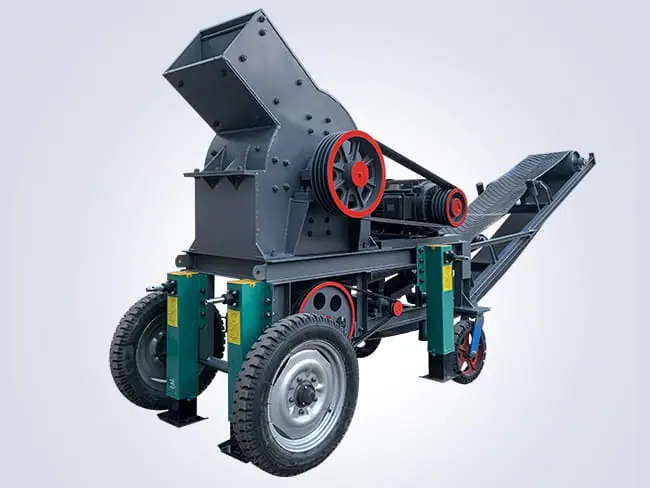
In terms of applicable materials, the jaw crusher can process various raw materials with a compressive strength of up to 320MPa, including natural ores such as granite, basalt, limestone, iron ore, and river pebbles, as well as solid waste like construction debris, concrete blocks, and brick residues. It is suitable for multiple industries including mining, building materials, highway and railway infrastructure, hydraulic engineering, and solid waste recycling. The product line covers small laboratory models, medium-sized mobile equipment, and large fixed coarse crushing devices. It can be paired with feeders, screening machines, cone crushers, and impact crushers to establish a complete production line, meeting the production needs of processing plants and quarries of different scales.
In actual production operations, the equipment exhibits stable transmission structure, with the flywheel balancing the motor load. The vibration amplitude during operation is moderate, and the dust removal system can effectively control on-site dust. The overall mechanical structure is simple, with a moderate number of components. The energy consumption generated during long-term operation remains within a controllable range, enabling stable and continuous processing flows in most working conditions when paired with supporting equipment.
With continuous optimization of crushing processes, various improved jaw crushers have gradually entered the market. Some models now feature hydraulic adjustment and hydraulic cleaning functions, further simplifying manual operation. Relying on solid mechanical design and extensive material adaptability, jaw crushers remain the preferred choice for coarse crushing stages, providing stable and reliable front-end crushing support for various aggregate processing projects.