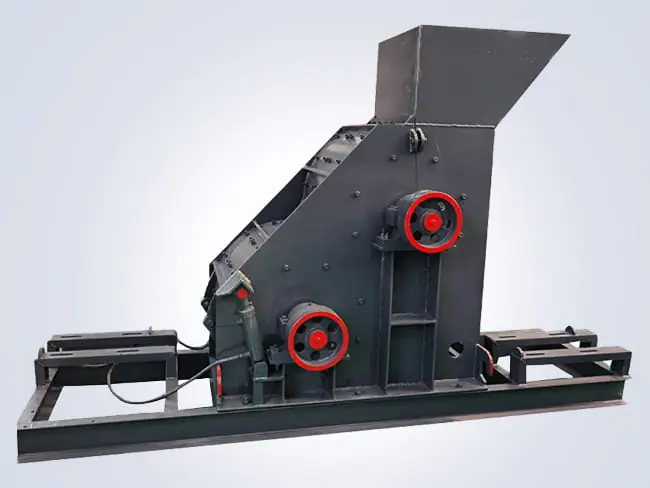
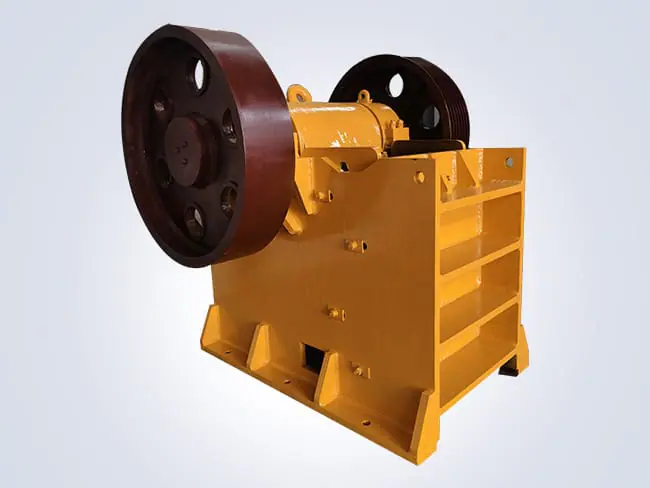
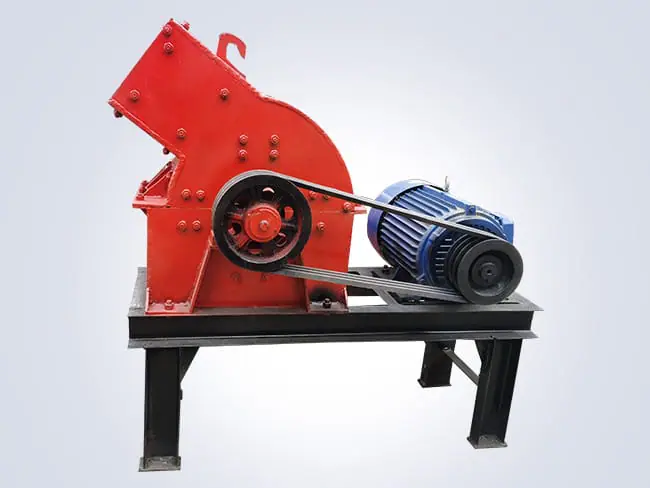
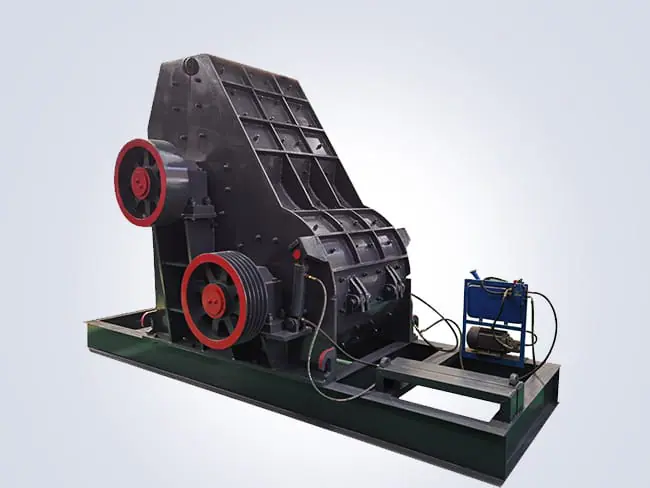
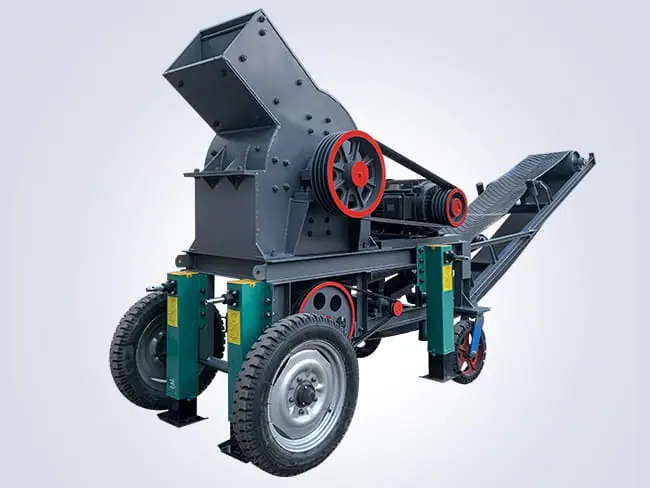
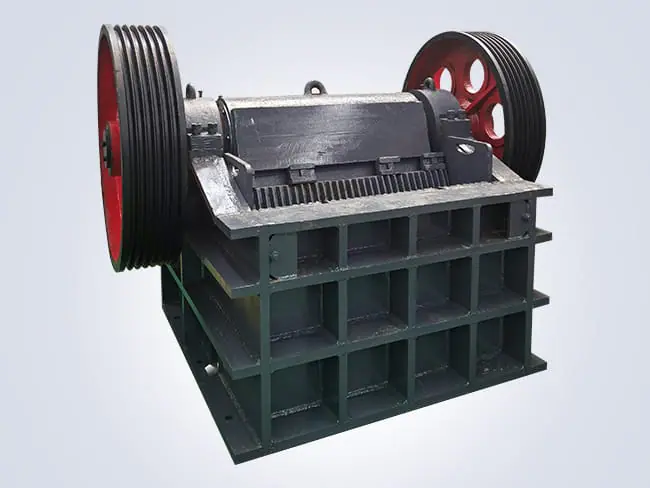
The hammer crusher is a long-established and practical primary crushing equipment in the mining and building materials industries. It relies on the impact of high-speed hammers to crush materials. It is widely used for coarse and medium crushing of medium-hardness brittle materials such as limestone, coal, gypsum, and coal gangue. It is commonly used as a pre-treatment device in sand and gravel production lines, building material raw material processing, and solid waste disposal production lines. With its moderate investment cost, simple operation, and large crushing ratio, it has long played a vital role in industrial material crushing.
The core working mechanism of the hammer crusher consists of a main shaft, rotor, articulated hammers, casing liners, and bottom screen bars. Its operating logic is intuitive and easy to understand. The motor-driven rotor rotates at high speed within the crushing chamber. Lump materials are fed into the chamber through the upper inlet and subjected to intense impact, shearing, and grinding by the high-speed swinging hammers. Large pieces break along their own grain and fissures. The crushed material falls downwards; particles smaller than the gaps in the bottom screen bars are discharged directly through the screen openings, while larger pieces that do not meet the size requirements are blocked by the screen bars and continue to be struck by the hammers until the discharge standard is met, at which point the material is unloaded. Operators can adjust the screen bar gaps to flexibly control the finished product particle size, adapting to the material requirements of different processes.
Based on structural form, the equipment is divided into two main categories: single-rotor and double-rotor. Single-rotor models are compact and require less space, suitable for small and medium-sized processing plants and mobile crushing sites; double-rotor models have a higher processing capacity and are suitable for large-scale continuous production. The equipment’s detailed design fully considers the needs of on-site working conditions. It adopts a sealed casing structure to reduce dust leakage during the crushing process and improve the workshop working environment. The working hammers are made of wear-resistant alloy casting, offering impact resistance and wear resistance. The hinged installation automatically retracts when encountering uncrushable hard objects, reducing the risk of overload damage. The machine is easy to assemble; routine maintenance only requires opening the maintenance door to replace easily worn parts such as hammers and liners. Maintenance is accessible, and frontline operators can quickly complete routine maintenance.
Regarding applicable materials and application scenarios, hammer crushers are more suitable for brittle materials with low compressive strength. They are widely used in limestone raw material crushing in cement plants, raw coal and coal gangue processing in coal mines, shale crushing in brick and tile plants, fine crushing of gypsum blocks, and crushing of construction waste bricks and stones. In a complete sand and gravel production line, it is often placed in the first crushing stage, crushing large raw stones into medium-sized aggregates, providing qualified feed for subsequent cone crushers and sand making machines, ensuring smooth connection of the entire production line. Furthermore, this equipment can also be used for small-scale aggregate yards, rural infrastructure stone processing, organic fertilizer raw material crushing, and other scattered projects, demonstrating its high versatility.
In summary, although the hammer crusher is a traditional crushing equipment, through continuous structural optimization and wear-resistant component upgrades, it still possesses the core advantages of moderate energy consumption, low failure rate, and outstanding cost-effectiveness. As the main equipment for front-end coarse crushing, it lays a solid foundation for back-end fine sand making and deep material processing, maintaining stable and irreplaceable practical value in many real economy sectors such as building materials production, mining processing, and solid waste recycling.