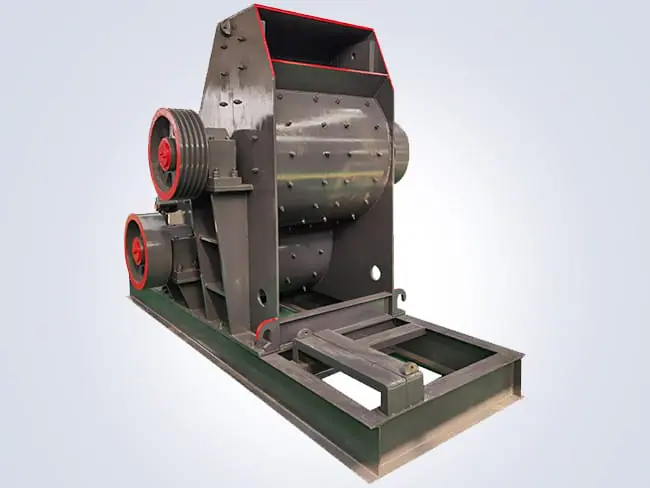
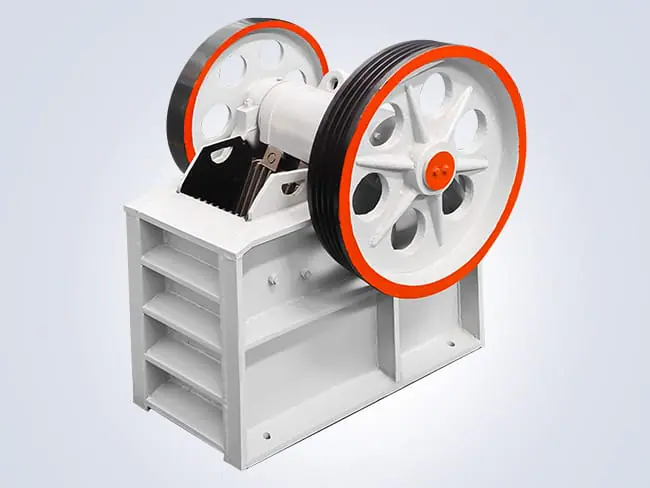
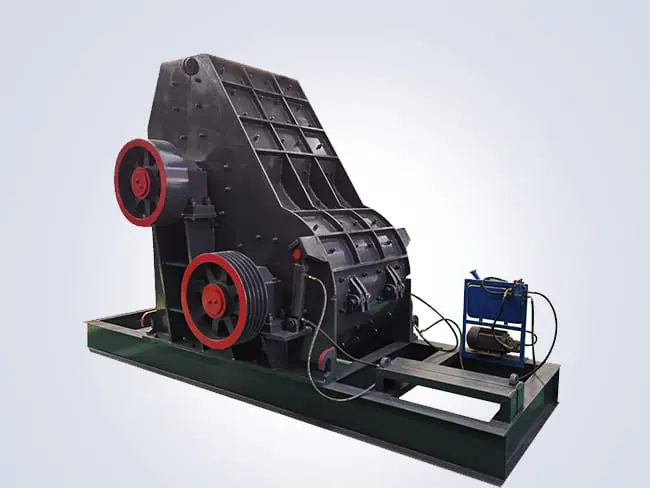
A hammer crusher is a widely used industrial stone crushing machine. It uses continuous hammer impact force to crush bulk raw materials into fine uniform particles. It serves core crushing needs in mining, construction, and aggregate production industries.
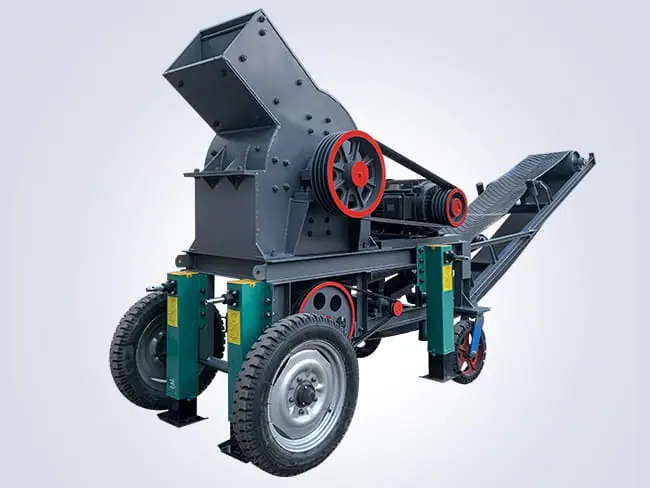
This hammer crushing machine features a simple and sturdy structure. It requires low initial investment for users. It completes primary and secondary crushing in a single step. It is a highly cost-effective device for small and medium crushing projects.
What Is a Hammer Crusher?
A hammer crusher, also called a hammer mill crusher, is an impact-based crushing device. High-speed rotating hammer heads strike incoming raw materials powerfully. It breaks large stones and ores into standard fine finished particles for industrial use.
It differs from jaw crushers and cone crushers with its one-time forming design. It eliminates repeated multi-stage crushing procedures. It effectively cuts down overall operation costs of the complete crushing line.
This equipment works best for brittle and medium-hard materials. Common processable materials include limestone, bluestone, coal, gypsum, and weathered rock.
Main Types of Hammer Crusher
Hammer crushers come in various types for different production demands. Each model matches specific material hardness and project scales. Below are the three most mainstream types in the market.
1. Ordinary Small Hammer Crusher
The small hammer crusher features a lightweight and compact design. It is easy to install and operate with low power consumption. It fits small-scale crushing sites and decentralized processing projects perfectly.
It is commonly applied in rural construction, small stone yards, and coal crushing tasks. It runs flexibly with a low failure rate for long-term stable work.
2. Heavy Hammer Crusher
The heavy hammer crusher is an upgraded heavy-duty crushing model. It adopts thickened hammer heads and a reinforced machine body. It handles high-hardness stones and large-size raw materials efficiently.
It achieves one-time material forming without secondary crushing. It delivers large output and high crushing efficiency. It acts as core equipment for medium and large aggregate processing plants.
3. Mobile Hammer Crusher
The mobile hammer crusher integrates crushing, screening and walking systems as a whole unit. It needs no fixed foundation installation. It moves freely between mining fields and construction sites.
It adapts to complex and changeable working environments. It saves huge costs of raw material transportation. It is the ideal choice for temporary and field crushing projects.
Working Principle of Hammer Crusher
The working principle of a hammer crusher is simple, stable and efficient. The entire crushing process runs automatically with reliable performance.
Raw materials enter the crushing cavity through the top feeding port. The professional motor drives the rotor and hammer heads to rotate at high speed.
High-speed hammer heads strike materials violently to realize primary crushing. Materials collide with cavity lining plates for secondary fine crushing. Mutual material collision further optimizes particle fineness.
Qualified fine particles fall down through the bottom sieve plate and get discharged. Unqualified coarse materials remain in the cavity for repeated crushing. This closed-loop process ensures uniform finished product quality.
Core Advantages of Hammer Crushing Machine
Modern hammer crushers possess unique competitive advantages. They gain huge popularity in the global stone and ore crushing market.
One-time forming crushing. It completes primary and fine crushing in one single process. It simplifies the whole production flow. It reduces extra equipment purchase and layout costs.
Wide material adaptability. The hammer crushing machine processes limestone, coal, gangue, gypsum and other brittle materials. It meets diversified production needs for multiple industries.
Simple structure & easy maintenance. The machine has a streamlined structure with few complex parts. Wearing parts are easy to disassemble and replace. Daily maintenance saves time and labor costs.
Low long-term operating cost. It features low power consumption and high working efficiency. It maximizes economic benefits for crushing plant operators.
Adjustable finished particle size. Operators can adjust the sieve plate gap flexibly. The machine produces various specifications of construction aggregate and manufactured sand.
Common Applications of Hammer Crusher
Hammer crushers cover extensive application scenarios across industrial fields. They are indispensable basic crushing equipment for infrastructure and resource processing.
Aggregate processing industry. It crushes raw limestone and bluestone into standard construction aggregates. It provides high-quality raw materials for concrete and mortar production.
Mining industry. It finely crushes coal, raw ore and mining residues. It promotes effective resource utilization and deep ore processing.
Building material production. It processes gypsum, cement clinker and other building raw materials. It supports stable and continuous building material manufacturing.
Construction waste recycling. It crushes waste bricks, abandoned concrete and stone residues. It turns construction waste into reusable recycled aggregate for secondary use.
How to Select a Suitable Hammer Crusher
Choosing a matched hammer crusher is critical for production performance. A proper model boosts efficiency, reduces failures and cuts operating costs.
First, match equipment with material conditions. Soft brittle materials adapt to ordinary hammer crushers. Medium-hard materials require heavy hammer crusher models.
Second, select models based on daily production capacity. Small workshops adopt mini hammer crushers. Large crushing lines choose high-output heavy-duty models.
Third, confirm the working environment. Fixed long-term production sites use stationary hammer crushers. Field and temporary projects prefer mobile hammer crushers.
Fourth, prioritize equipment quality and after-sales service. Premium wear-resistant parts extend machine service life. Complete after-sales support ensures uninterrupted production.
Conclusion
The hammer crusher is a practical, reliable and cost-effective crushing device. It features a simple working principle, stable operation and wide application range. It plays an irreplaceable role in aggregate production, mining processing and construction waste recycling.
With continuous technological upgrades, modern hammer crushers are more energy-saving, intelligent and eco-friendly. They will provide efficient and economical crushing solutions for global mining and construction projects.