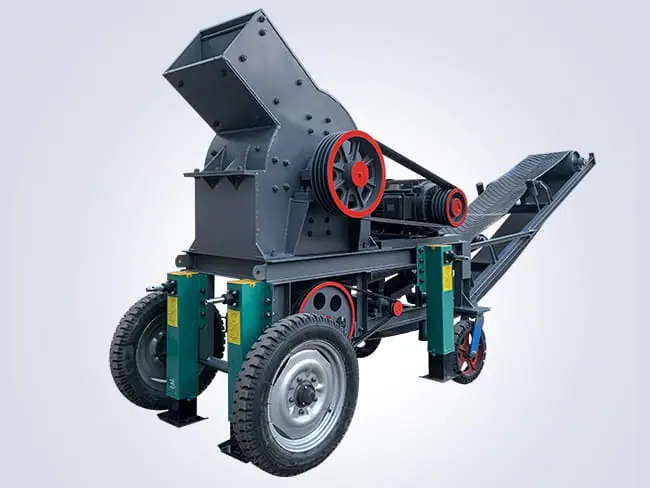
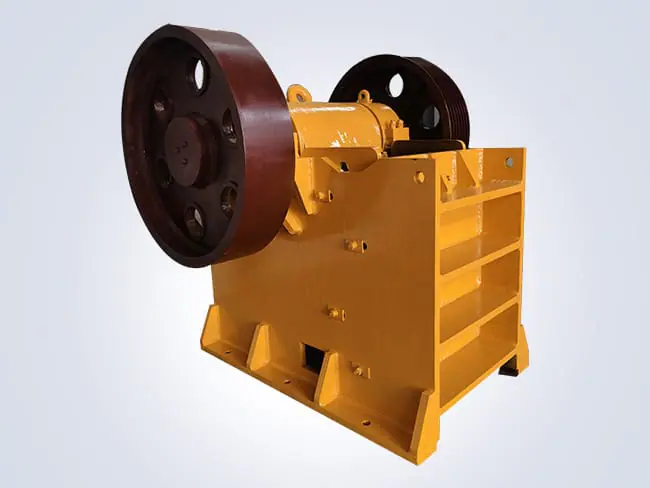
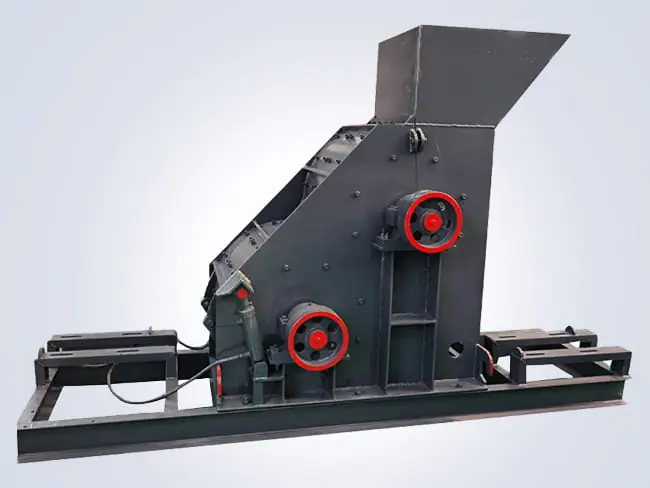
Producing high‑quality manufactured sand is critical for modern construction, highway, railway and concrete batching plant projects. A double rotor sand making machine has become a popular fine crushing and sand‑shaping solution for quarries and aggregate factories worldwide. Compared with traditional single‑rotor sand making equipment, the dual‑rotor design brings improvements in output, grain shape and operational stability for medium‑to‑large sand production lines.
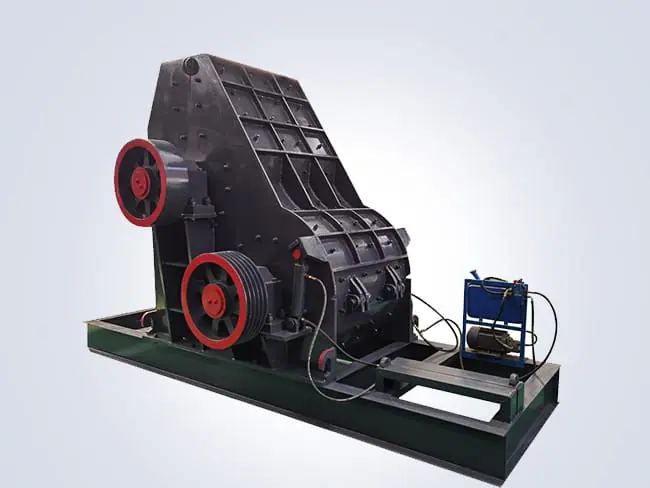
If you are looking for reliable sand‑making machinery for new project setup or equipment upgrade, this article covers working principle, core advantages, applicable raw materials, typical technical parameters, comparison with single‑rotor machine, maintenance tips and practical purchasing advice to help you make informed decisions.
What Is a Double Rotor Sand Making Machine?
A double rotor sand making machine (also called dual‑rotor sand maker, double‑stage rotor sand crusher) is fine crushing equipment equipped with two independently driven high‑speed rotors inside one crushing chamber. Two rotors run in cooperative rotation, completing primary crushing and secondary shaping inside the same cabinet.
Raw materials enter the crushing cavity, get impacted, sheared and crushed by the first rotor, then receive further fine crushing and particle shaping from the second rotor. One machine finishes coarse‑to‑fine crushing without needing multi‑stage separate crushers. This integrated structure saves layout space and reduces total equipment investment for artificial sand plants.
Working Principle of Double Rotor Sand Making Machine
- Raw materials fall into the crushing chamber from the top feeding hopper.
- The first rotor with high‑chromium hammerheads strikes bulk stones for primary fragmentation.
- Semi‑crushed materials drop down to the second rotor area for secondary high‑speed impact crushing.
- Repeated collision between material, hammerheads and impact liners optimizes particle shape, reducing needle‑flaky particles.
- Qualified fine sand discharges through the bottom grate gap; over‑size materials stay inside for re‑crushing until meeting discharge requirements.
The grate gap can be manually adjusted to control finished sand particle size according to different project standards for construction sand or road base aggregate.
Main Advantages of Double Rotor Sand Making Machine
Higher Sand‑making Capacity
Two‑rotor collaborative crushing improves processing efficiency. Typical capacity ranges from 20 TPH up to 280 TPH, suitable for medium and large‑scale artificial sand production lines. Under same power consumption, it delivers higher hourly output than many single‑rotor hammer sand makers.
Better Finished Sand Grain Shape
Dual‑rotor two‑step crushing produces cubic‑shaped sand grains, lowering needle‑like particle ratio. High‑quality manufactured sand meets aggregate requirements for concrete mixing stations, highway and hydraulic engineering projects.
Wide Raw Material Compatibility
This machine can process medium‑hard and brittle stones: limestone, bluestone, basalt, cobblestone, coal gangue, construction waste, marble and other mineral raw materials. Max feed size usually reaches 150 mm‑200 mm, reducing pre‑crushing workload for upstream equipment.
Compact Layout & Lower Comprehensive Cost
One machine realizes two‑stage crushing function. Customers can simplify production‑line configuration, cut the number of conveyors and intermediate equipment, save workshop floor space and lower overall power consumption and investment cost.
Convenient Daily Maintenance
Many modern double rotor sand making machines adopt hydraulic opening structure. Operators can open the machine housing quickly to inspect and replace hammerheads, impact liners and other wearing parts, shortening equipment downtime for routine service.
Typical Technical Parameters Reference
Different manufacturers offer multiple models for different throughput requirements. Below is general reference range (actual data subject to manufacturer model sheet):
- Capacity: 20‑280 TPH
- Max feed size: ≤150‑200 mm
- Finished sand output size: 0‑5 mm, 0‑10 mm (adjustable via grate gap)
- Main motor power: double‑motor configuration according to different models
- Core wear parts: high‑chromium alloy hammer heads, impact plates, grate bars
Note: Always ask suppliers for official technical datasheet and layout drawing before placing order.
Double Rotor vs Single Rotor Sand Making Machine: Key Differences
| Item | Double Rotor Sand Making Machine | Single Rotor Sand Making Machine |
|---|---|---|
| Crushing structure | Two‑rotor two‑stage crushing | Single‑rotor one‑stage impact crushing |
| Capacity | Higher, suitable for large output | Medium output for small‑size lines |
| Grain shape | Cubic, low needle‑flaky content | General shaping performance |
| Feed material size | Accept larger incoming material | Require smaller feeding size |
| Investment cost | Higher unit price, lower line‑construction cost | Lower unit price, may need extra crushing equipment |
| Application scenario | Quarry large sand plant, aggregate upgrading | Small‑capacity mobile or stationary sand line |
Choose double rotor solution if you pursue high hourly yield and strict sand grain quality; single‑rotor machine fits small‑budget, low‑output projects.
Common Application Scenarios
- Manufactured sand production for concrete batching plant
- Aggregate processing for highway, railway, bridge and water‑conservancy construction
- Crushing and recycling of construction solid waste
- Fine processing of limestone, coal gangue in building‑material factories
- Stationary sand production plant; can also be assembled on mobile crushing chassis for flexible site operation
Critical Maintenance Points to Extend Machine Service Life
- Check hammer head wear condition regularly. Replace high‑chromium hammerheads in time when wear becomes serious to guarantee sand output quality and capacity.
- Inspect impact liner and grate bar; damaged parts directly affect discharge granularity.
- Keep rotor bearing well‑lubricated; perform grease filling according to operation manual. Overheating bearing is a common failure cause.
- Strictly control feeding size; avoid metal foreign objects entering crushing cavity to prevent rotor damage.
- Do regular bolt tightening inspection for rotor and cabinet after long‑time running.
Good daily maintenance can greatly reduce unexpected breakdown and extend whole‑machine service life for your sand plant.
FAQ About Double Rotor Sand Making Machine
Can double rotor sand making machine produce 0‑5 mm construction sand directly?
Yes. By adjusting grate gap setting, it can output finished sand within 0‑5 mm range. For strict gradation requirements, it still needs matching vibrating screen for classification screening.
What raw materials cannot be processed by double rotor sand maker?
It works best for medium‑hard brittle stone. High‑hardness tough rock with high silica content will accelerate wear‑part consumption; sticky wet clay material may cause chamber blockage.
Can double rotor sand making machine be installed on mobile crusher frame?
Yes. Many factories provide customized mobile double‑rotor sand‑making unit, suitable for frequent site‑moving projects.
How to confirm suitable model for my sand‑making project?
You need to provide raw‑material type, max feed size, target hourly output, required finished sand size and local power‑supply condition to machinery manufacturer for model selection proposal.