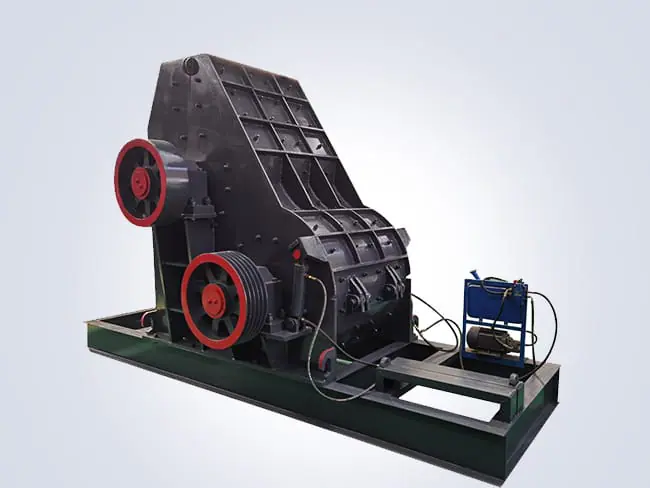
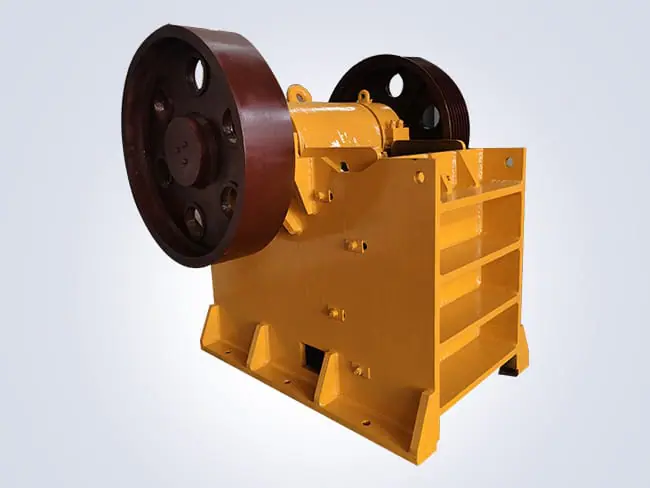
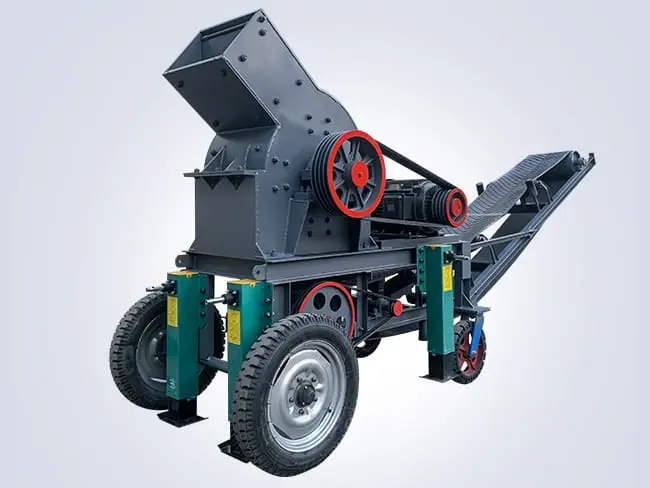
A jaw crusher is the most widely‑used primary crushing machine for processing hard and medium‑hard rocks and ores. It applies squeezing compression force to break large‑size raw stones. Thanks to stable mechanical structure, strong crushing capacity and easy‑maintenance design, jaw crusher acts as core primary crushing equipment in quarrying, mining, aggregate manufacturing and construction waste recycling. This article explains its working principle, typical application scenarios, core strengths, key buying factors and routine maintenance advice for plant operators and global project buyers.
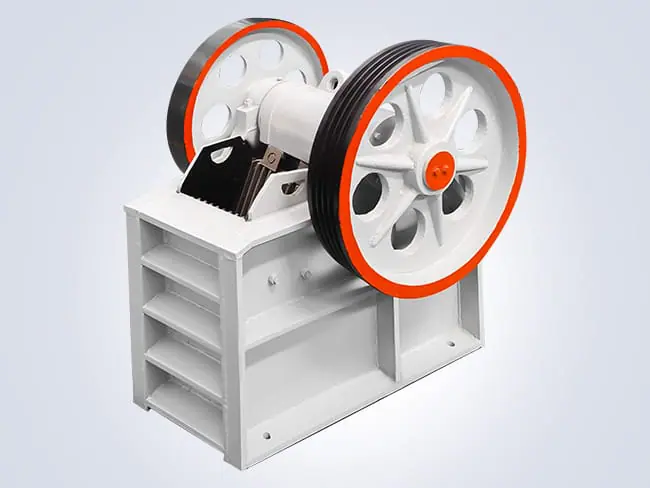
How Does a Jaw Crusher Work?
Jaw crusher crushes raw materials through compressive squeezing force between fixed jaw plate and movable jaw plate.
- Large‑size raw rock materials are fed into the V‑shaped crushing chamber from top feeding opening.
- Driven by motor, the eccentric shaft drives movable jaw plate to make periodic swing movement: movable jaw plate moves close toward fixed jaw plate and squeezes raw stones.
- Hard rocks are cracked and broken under high squeezing pressure. When movable jaw swings away, qualified small‑size particles fall down and discharge from the bottom discharge gap.
- Larger‑size blocks stay inside crushing chamber and receive repeated squeezing until they can pass through discharge opening.
Jaw crusher mainly undertakes primary coarse crushing task. It reduces huge raw blocks into medium‑size particles, preparing feed materials for secondary crushing machines such as hammer crusher or impact crusher in complete production lines.
Main Application Scenarios of Jaw Crushers
Jaw crusher performs excellently for high‑hardness brittle raw materials. Widely used industries and raw materials include:
- Quarry & aggregate production: Granite, basalt, pebbles, limestone, quartz stone
- Mining industry: Various hard ores, mineral raw materials
- Construction waste recycling: Large concrete blocks, waste building stones
- Infrastructure projects: Raw material processing for highway, railway and building material plants
Both stationary jaw crusher and mobile jaw crusher versions are available. Mobile jaw crusher is equipped with wheel chassis. It supports on‑site crushing without frequent material transportation, very suitable for temporary quarry sites and mobile construction waste treatment projects.
Core Advantages of Hengtong Jaw Crusher
With more than 20‑year manufacturing experience in crushing machinery, Hengtong Machinery optimizes jaw crusher structure adapting to complex field working conditions. Our jaw crushing machines possess these outstanding merits:
- Strong crushing capacity: Adopt oversized bearing and forged main shaft, withstand heavy crushing load for hard rock. Deep‑cavity crushing design improves feeding and processing efficiency.
- Stable and reliable structure: Heavy‑duty welded or cast machine frame, low failure rate under continuous heavy‑load running.
- Adjustable discharge opening: Operators can adjust discharge gap flexibly to change output particle size to match downstream processing requirements.
- Easy operation & convenient maintenance: High‑wear resistant jaw plates, longer service cycle of wearing parts. Operators can finish inspection and parts replacement without complex professional training.
- Flexible customized configuration: Support stationary type, wheel‑mounted mobile version, electric motor drive or diesel power unit according to site power supply and working environment.
Practical Buying Guide: How to Select Suitable Jaw Crusher
Before placing your order, do not only focus on equipment price. You need to evaluate real‑site project conditions and confirm these key factors:
1. Raw material hardness
Jaw crusher fits hard and medium‑hard rocks and ores. It is the ideal primary crushing option for granite, basalt and other high‑abrasion stones. For soft brittle materials like limestone, you can compare solutions between jaw crusher and hammer crusher.
2. Maximum feed size
Make sure crusher feed opening is larger than your maximum incoming raw block. Too‑big feeding stones will cause frequent blockage and equipment overload risk.
3. Required production capacity
Calculate real‑world tons‑per‑hour output under your actual raw material condition. Avoid long‑term over‑load operation which will shorten machine service life. Hengtong jaw crusher series covers multiple models for small, medium and large capacity requirements.
4. Target discharge particle size
Confirm required output granularity for downstream crushing or aggregate products. Discharge gap setting directly controls finished particle dimension. Our engineers can recommend proper model and spare parts for your target.
5. Working site condition
Check local power supply: choose electric‑driven jaw crusher for sites with stable grid power. Select diesel‑powered mobile jaw crusher for remote quarry without stable electricity supply.
Daily Maintenance & Common Troubleshooting Tips
Scientific regular maintenance will lower breakdown risk and extend jaw crusher service life.
- Check jaw plates, toggle plate and fastening bolts regularly. Replace severely worn jaw plates timely to guarantee crushing performance.
- Complete full inspection before startup, keep lubrication system well‑maintained.
- Prevent metal foreign objects entering crushing chamber, which may damage jaw plates and internal components.
- If finished output contains excessive coarse particles, check wear status of jaw plates and adjust discharge gap.
- When obvious abnormal vibration or noise occurs during running, stop machine immediately, check bolt fastness and wearing‑part condition.
Frequently Asked Questions
Q: What is the difference between jaw crusher and hammer crusher? A: Jaw crusher applies squeezing force, best for primary coarse crushing of high‑hardness rock. Hammer crusher relies on impact force, more suitable for medium‑low hardness material fine crushing. Many complete production lines adopt jaw crusher as primary crushing plus hammer crusher as secondary fine crushing.
Q: Can jaw crusher process construction waste concrete blocks? A: Yes. Both stationary and mobile jaw crusher can crush waste concrete blocks for recycled aggregate production.
Q: Do you provide custom‑built mobile jaw crusher? A: Yes. Hengtong supports customized mobile jaw crusher solutions including wheel chassis, diesel power system, matched feeding and conveying devices.
Get Jaw Crusher Solution From Hengtong Machinery
Hengtong Machinery is a professional stone crushing and recycling equipment manufacturer based in Gongyi, Henan, China. Our jaw crusher series have been delivered to numerous global quarry, mining and aggregate‑making projects.
If you are sourcing reliable primary jaw crushing equipment, please feel free to contact our sales team. Kindly inform us your raw material property, max feed size, required hourly capacity and target discharge granularity. Our engineers will prepare tailored technical proposal and quotation for your project.
View our jaw crusher product page to check detailed specifications; browse project case show to view real machine delivery and test‑run sites.