
+86 18236970567Sales hotline


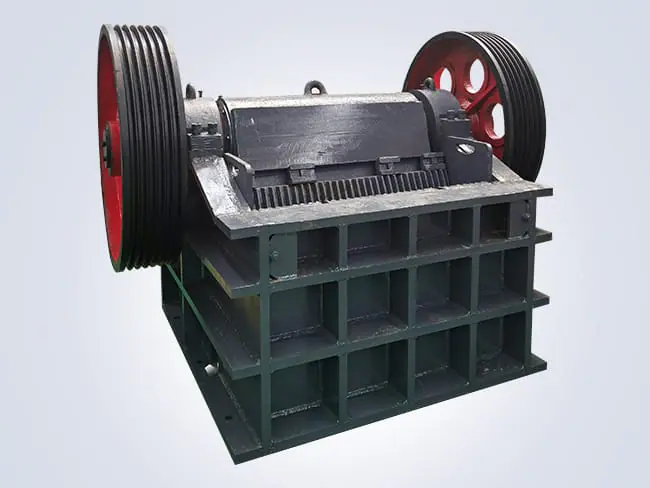
Jaw crusher, commonly known as “jaw crusher”, is the earliest and most widely used classic crushing equipment in the industrial crushing field. With stable and reliable performance, it has long occupied the core coarse crushing position in sand and gravel production lines and mining. This equipment is mainly used for coarse and medium crushing of various hard ores and rocks, and is suitable for materials with compressive strength of 147-320MPa. With the advantages of simple structure, strong durability, and convenient operation and maintenance, it has become an indispensable basic equipment in the field of construction machinery. 1、 Core structure composition The overall structure of the jaw crusher is compact, sturdy, and durable, with clear division of labor for core components to ensure efficient operation of the equipment. It mainly consists of fixed jaw plate, movable jaw plate, eccentric shaft, pulley, elbow plate, frame and discharge adjustment device. The fixed jaw plate is securely installed on the rack and serves as the fixed crushing working surface of the equipment; The movable jaw plate is a movable component that forms a crushing chamber in conjunction with the fixed jaw. The eccentric shaft is the power core of the equipment, which drives the […]

In industrial fields such as mining, building materials production, and infrastructure construction, material crushing is a fundamental and critical process. As the mainstream crushing equipment, hammer crusher has become the core equipment for processing medium brittle materials due to its advantages of simple structure, large crushing ratio, uniform discharge, and low energy consumption. It is widely used in various industrial production lines and provides strong support for fine processing of materials. The working principle of the hammer crusher is centered around high-speed impact crushing, with efficient and concise operational logic. The equipment is mainly composed of core components such as motor, rotor, hammer head, crushing chamber, sieve plate, and frame. During operation, the motor drives the rotor to rotate at high speed, and the wear-resistant hammer heads evenly installed on the rotor also rotate at high speed. After the material enters the closed crushing chamber from the upper feeding port of the equipment, it is first subjected to the fierce impact of the hammer head to achieve initial crushing. The material that gains kinetic energy collides with the inner lining plate of the equipment at high speed, while the materials collide and rub against each other, completing secondary crushing and […]
Commonly known as the “tiger mouth”, the jaw crusher is the core equipment for the coarse crushing process in mining, building materials, metallurgy, transportation and other fields. It is mainly used for the crushing processing of various medium-hard materials such as granite, basalt, limestone, river pebble and iron ore, serving as an indispensable primary crushing device in the entire sand and gravel crushing production line. Jaw Crusher: The Core Coarse Crushing Equipment for Sand and Gravel Mine Production Lines The equipment adopts the extrusion crushing principle, simulating the biting motion of animal jaws. Driven by the motor, the transmission mechanism drives the movable jaw plate to perform periodic reciprocating motion. When the movable jaw approaches the fixed jaw, materials are crushed under extrusion and splitting forces; when the movable jaw moves away, the crushed materials are discharged from the discharge outlet by gravity, realizing a continuous and efficient working process. The whole machine consists of a frame, jaw plates, eccentric shaft, transmission flywheel, discharge adjustment device and lubrication system, featuring a simple and compact structure and strong operation stability. The core crushing jaw plates are made of wear-resistant high manganese steel, with excellent impact resistance and wear resistance for a […]
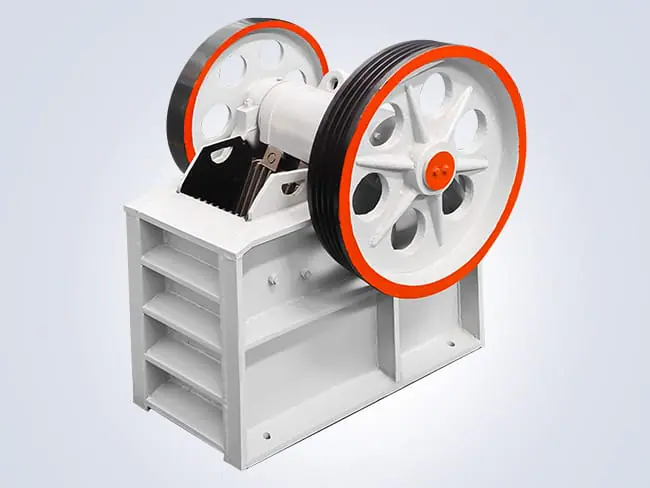
In the fields of infrastructure construction and sand processing, the sand making machine is the core equipment enabling large-scale and standardized production of manufactured sand. t is widely applied in mining, building materials, transportation, water conservancy and other industries, and can perform efficient fine crushing on various materials including granite, basalt, limestone and river pebble. The finished sand produced features excellent particle shape and reasonable gradation, which fully complies with the national standard for construction sand. Sand Making Machine: Core Equipment for Sand and Gravel Aggregate Production the sand making machine operates on the impact crushing principle, It ejects materials through a high-speed rotating impeller, And crushing is realized through collision and friction between materials. As well as between materials and the lining plate, with an additional shaping function. the equipment boasts a compact structure, consisting of a feed hopper, material distributor, vortex crushing chamber, impeller, main shaft assembly, base, transmission device and lubrication system, ensuring stable and reliable operation. its core components are made of high wear-resistant alloy, with outstanding impact resistance and wear resistance, which greatly prolongs the service life and effectively reduces long-term operation and maintenance costs. Compared with traditional crushing equipment, the finished sand from the […]
Jaw crusher, Commonly known as “jaw breaker”, Is a widely used coarse crushing equipment in mining. infrastructure construction and other fields. with its strong crushing capacity and stable operation performance. It serves as the core primary crushing device in various sand and gravel aggregate production lines and ore processing processes. Undertaking the key procedure of primary crushing for bulk materials, Jaw Crusher: The Core Coarse Crushing Equipment for Sand Production Lines This equipment is mainly composed of moving jaw, fixed jaw, eccentric shaft. Frame. Adjusting device and transmission system, Its working principle simulates the chewing motion of animals: The motor drives the eccentric shaft to rotate. Pushing the moving jaw to perform periodic reciprocating swings, When the moving jaw approaches the fixed jaw, Materials are crushed by extrusion. splitting and bending forces between the two jaw plates; when the moving jaw moves away. qualified crushed materials are discharged from the discharge outlet by gravity,the output particle size range can be flexibly controlled by adjusting the gap of the discharge outlet, Jaw crusher boasts strong adaptability, capable of crushing medium and high hardness materials such as granite, basalt, limestone, river pebble and iron ore, with a compressive strength up to 320MPa. […]
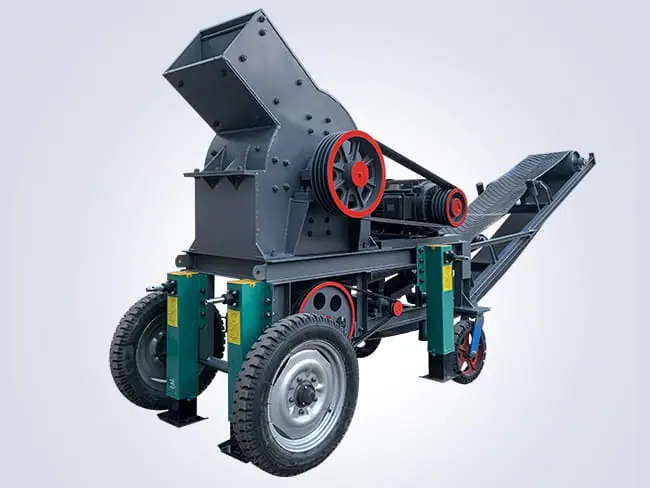
hammer crusher is a commonly used medium and fine crushing equipment in the industrial and mining sector, it crushes materials through the impact of high-speed rotating hammer heads,with the strengths of simple structure and high crushing efficiency, it is widely applied in mining, Building materials. Chemical engineering. Electric power and other industries. Serving as one of the core devices for sand production and ore processi. Hammer Crusher: An Efficient and Reliable Material Crushing Equipment this equipment mainly consists of rotor, hammer head, crushing chamber, screen plate, transmission system and frame. in operation.The motor drives the rotor to rotate at high speed, When materials fed from the inlet enter the crushing chamber, They are crushed along their inherent cracks under the high-speed impact, collision and shearing of the hammer heads, crushed fine particles are screened and discharged through the screen plate. While coarse particles remain in the chamber for repeated striking until they meet the discharge standard, enabling controllable output particle size. Hammer crusher is suitable for medium and low hardness brittle materials such as limestone, coal gangue, shale and coal, with remarkable core advantages. It boasts a large crushing ratio, which can finish fine crushing of bulk materials in one […]
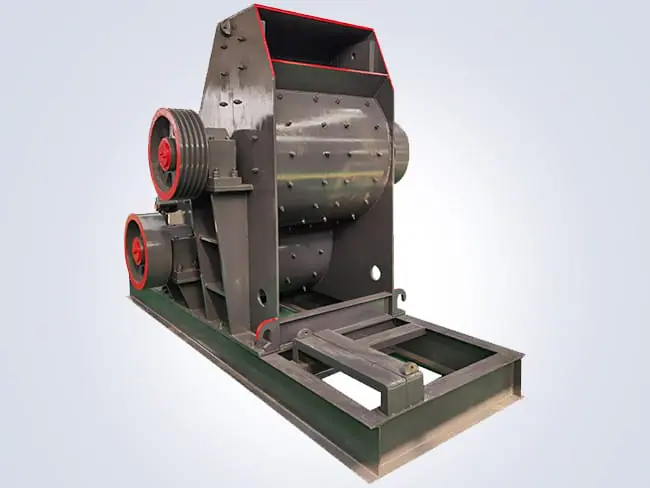
Also known as impact crusher, the sand making machine is a key shaping and sand-making device in sand and stone production lines. it is mainly used for fine crushing and stone shaping, Following the primary and secondary crushing processes, it processes block stones into manufactured sand that meets construction standards, serving as an essential equipment for artificial sand production and stone fine processing. as the exploitation of natural sand is restricted. Sand making machines have become core facilities for supplying sand and stone in infrastructure projects, Sand Shaping Core Equipment — Introduction to Sand Making Machine Adopting the impact crushing principle, the machine uses high-speed rotating impellers to drive materials to collide and rub against each other. With dual crushing modes of “rock-on-rock” and “rock-on-iron”, it crushes and shapes raw stones. It can process river pebbles, granite, basalt, limestone and other materials. The finished sand features uniform particles, round grain shape and reasonable gradation, fully complying with the material standards for engineering construction. This equipment boasts remarkable advantages. It is highly intelligent with adjustable discharge particle sizes to meet diverse construction requirements. The whole machine has excellent wear resistance, and its core components enjoy a long service life. It operates […]
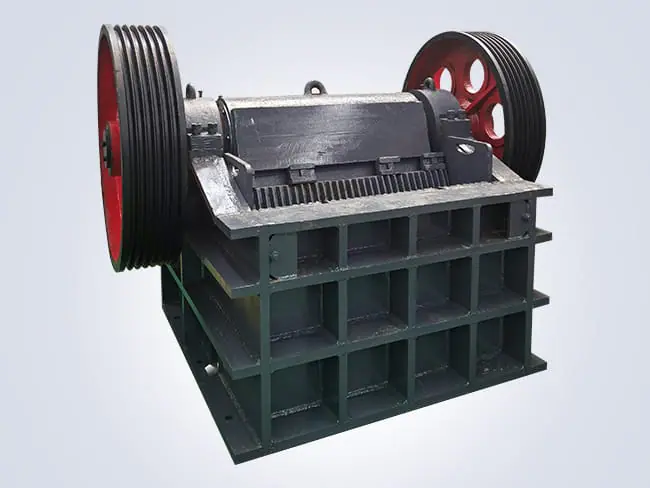
Commonly known as jaw crusher or “tiger mouth”, it is a widely used primary crushing equipment in industrial production. invented in the 1850s. It has long occupied a core position in ore crushing production lines thanks to its reliable performance. And is mainly applied to the first crushing process of various sand and stone production lines, JAW Crusher: The Core Primary Crushing Equipment in Industry Its crushing chamber is mainly composed of fixed jaw plate and movable jaw plate. simulating the biting movement of animal jaws during operation. The movable jaw periodically moves towards and away from the fixed jaw, It crushes large ores and rocks into medium-sized materials through extrusion, splitting and bending forces. this machine can process various soft and hard ores with compressive strength no more than 320 MPa. Including granite. limestone. iron ore and river pebble, The jaw crusher features a simple and sturdy structure with stable operation and low failure rate, effectively avoiding material blockage. it is easy to operate. and wearing parts such as jaw plates can be replaced conveniently, Keeping daily maintenance costs low, With a large crushing ratio and high processing efficiency, it can rapidly crush bulk raw materials and greatly boost […]
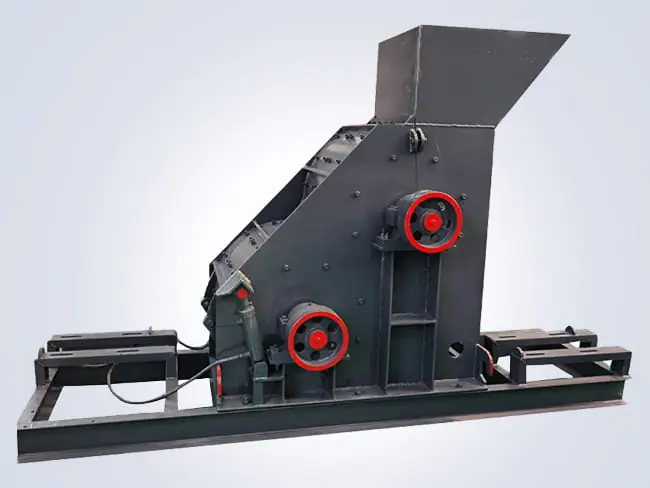
The sand making machine is the core equipment of sand and gravel aggregate production lines, Specializing in processing various ores and construction waste into machine-made sand that meets construction standards. With the increasing scarcity of natural sand resources and the tightening of environmental protection policies, it has become a key equipment for ensuring sand and gravel supply for engineering construction and promoting the resource utilization of solid waste. Sand Making Machine: The Core Powerhouse of Machine-Made Sand Production The mainstream vertical shaft impact (VSI) sand making machine adopts a unique impact crushing principle: the motor drives the impeller to rotate at high speed,Ccelerating and throwing the materials entering the chamber. the materials undergo high-speed collision. friction and grinding in the vortex crushing chamber.Forming a “stone-on-stone” self-crushing effect,which greatly reduces the wear of metal components. for hard materials.It can be switched to the “stone-on-iron” mode for higher crushing efficiency. the equipment can flexibly adjust the rotor speed and discharge port size to control the finished sand particle size between 0 and 5 millimeters, Compared with traditional crushing equipment, the machine-made sand produced by the sand making machine has remarkable advantages: round and full particle shape, continuous and reasonable gradation, and low […]
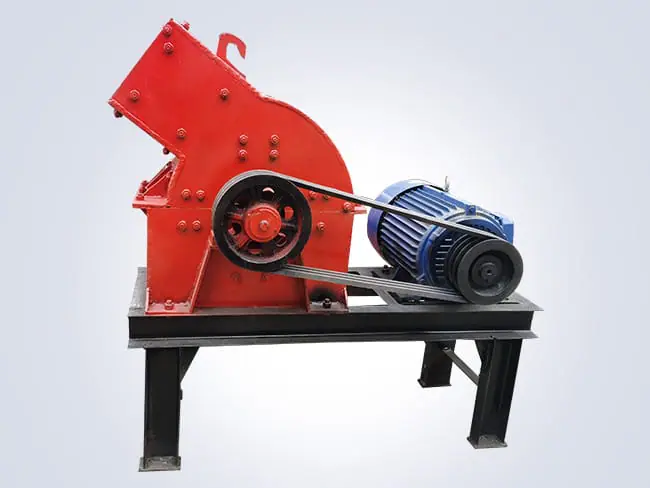
hammer crusher is a commonly used impact crushing equipment in mining.Building materials, chemical and other industries,It completes the crushing operation by relying on high-speed rotating hammers to impact materials. with the advantages of simple structure.Large reduction ratio and uniform discharge.It has become the core equipment for small and medium-sized material crushing, and is widely used in processing medium and low hardness materials such as limestone. Coal gangue. Shale and Slag. Hammer Crusher: The “Iron-Toothed Giant” of Material Processing Compared with traditional crushing equipment, the hammer crusher features high production efficiency and low energy consumption. It supports both dry and wet crushing modes and is suitable for various working conditions. The whole machine has a small footprint and is convenient for installation, operation and maintenance. qualified particles pass smoothly through the gaps in the screen plate.while larger pieces remain in the chamber for repeated hammering until they become uniform finished products smaller than 25 millimeters. by adjusting the screen plate gap. the output particle size can be controlled to easily adapt to different production needs.

Shortened as hammer crusher, it is a commonly used medium and fine crushing device in mining, building materials and chemical industries. Featuring efficient impact crushing principle, it serves as one of the core equipment for sand and gravel production and material processing. Hammer Crusher: Reliable Fine Crushing Equipment The machine is mainly composed of rotor, hammer head, crushing chamber, sieve plate and frame. It boasts a simple and compact structure, facilitating easy installation and maintenance. It operates with a straightforward working principle. The motor drives the rotor to rotate at high speed. Materials entering the crushing chamber are crushed through high-speed impact. Collision, shearing and grinding along their natural cracks. Qualified crushed materials are discharged via the sieve plate. While oversized particles remain inside for repeated crushing until reaching the required discharge size. It can process bulk materials into evenly sized fine and medium aggregates. This crusher has remarkable advantages including large crushing ratio, steady output, uniform discharge and low energy consumption. It supports both dry and wet crushing with strong adaptability. It is suitable for crushing medium and low hardness brittle materials such as limestone, coal gangue, bluestone and coal. Widely applied in sand and gravel production lines, cement […]

Commonly known as jaw breaker, the jaw crusher is a widely used primary crushing device in mining, construction aggregate production and building material manufacturing. Featuring sturdiness, durability and strong adaptability, it serves as the key equipment in various crushing production lines. Jaw Crusher: Classic and Durable Core Primary Crushing Equipment Composed of fixed jaw plate, movable jaw plate, eccentric shaft, flywheel, adjusting device and frame, the machine boasts a stable structure with excellent compression and wear resistance, suitable for heavy-duty working conditions. It operates on the squeeze crushing principle. The motor drives the eccentric shaft to rotate, pushing the movable jaw plate to swing back and forth periodically. Large materials inside the crushing cavity get crushed through extrusion, splitting and bending. Qualified finished materials are discharged from the bottom outlet. The discharge particle size can be flexibly adjusted to meet diverse production requirements. This equipment delivers powerful crushing force, solid structure and low failure rate. It can process high-hardness ores such as granite, basalt and iron ore, and functions steadily in harsh working environments. With large crushing ratio, stable output and easy maintenance, it mainly undertakes primary crushing tasks. Matched with impact crushers and hammer crushers for secondary fine crushing, […]
