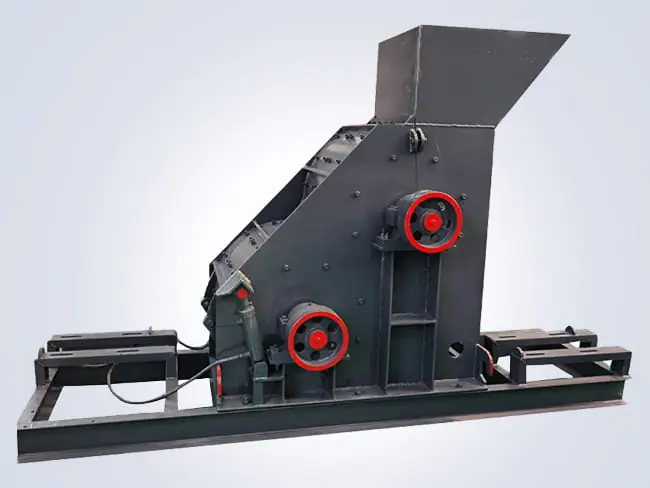
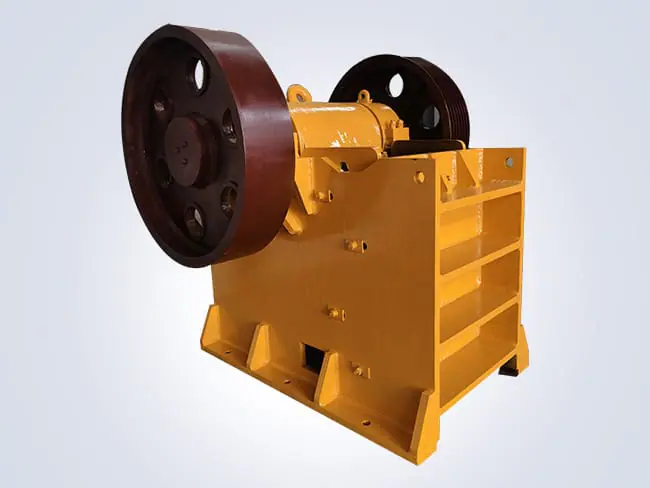
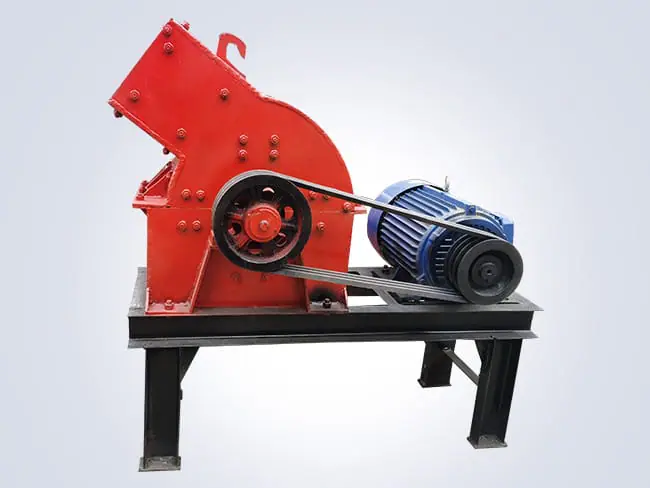
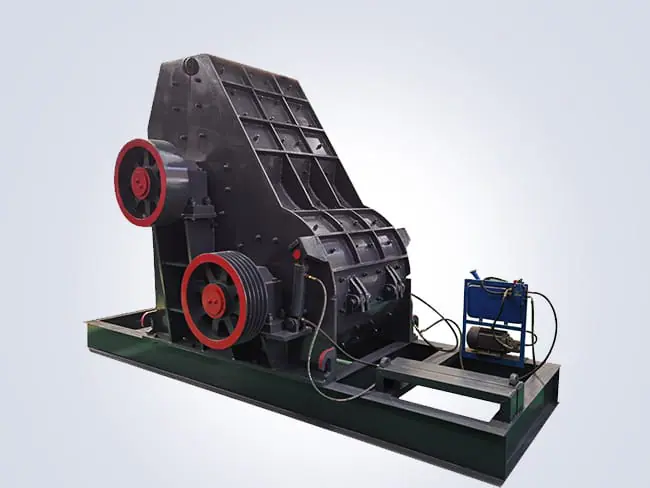
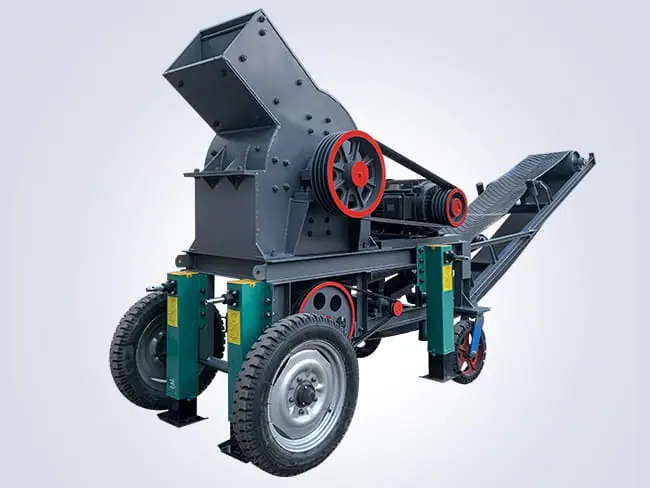
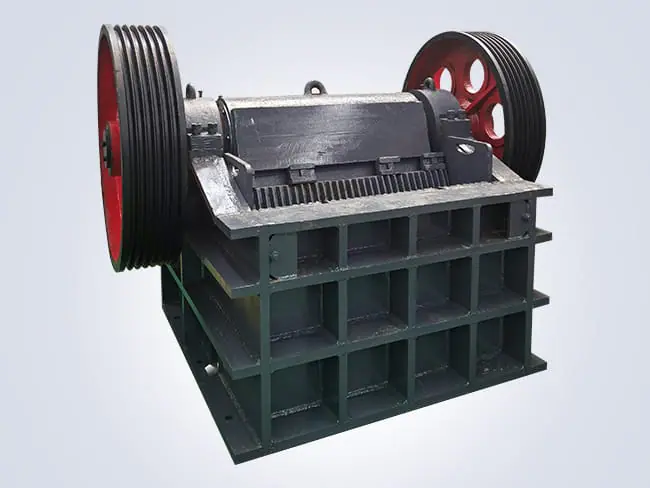
Jaw crusher, commonly known as “jaw crusher” and also called “tiger mouth”, is an indispensable primary crushing equipment for mining, building materials, infrastructure and other industries. With stable and reliable performance, it has become a key model in material crushing production lines, and is widely suitable for primary crushing of various high-hardness materials.
Jaw Crusher: The Core Crushing Equipment for Mining and Building Materials
The core structure of the equipment consists of a fixed jaw plate, a moving jaw plate, frame, eccentric shaft, transmission mechanism and adjustment system. Its working principle simulates the occlusal movement of animal jaws: driven by the eccentric shaft, The moving jaw performs periodic reciprocating motion, squeezing and grinding materials together with the fixed jaw, crushing large pieces of materials in the crushing chamber until they meet the required discharge size before being discharged.
With a reasonably designed crushing chamber, it can process ores, rocks, construction waste and other materials with compressive strength up to 320 MPa. It features a large crushing ratio and uniform particle size, which can meet the basic requirements of subsequent processing.
Compared with other crushing equipment, jaw crushers have obvious advantages: compact and simple structure, low operation failure rate, and convenient daily maintenance; low operating cost, moderate energy consumption, suitable for various production scenarios; available in both coarse and fine crushing models, which can be flexibly matched with cone crushers, Sand makers and other equipment to form a complete sand and gravel production line.
At present, jaw crushers have been widely used in mining, metallurgy, chemical engineering, road construction, water conservancy and other fields. With strong crushing capacity and stable operation, they help improve the quality and efficiency of various material processing projects, making them irreplaceable key equipment in industrial crushing.