A hammer crusher is a high-efficiency stone crushing machine for mining and construction industries. It delivers fine and medium crushing results with low investment costs. This equipment suits brittle and soft materials for industrial processing.
What Is a Hammer Crusher
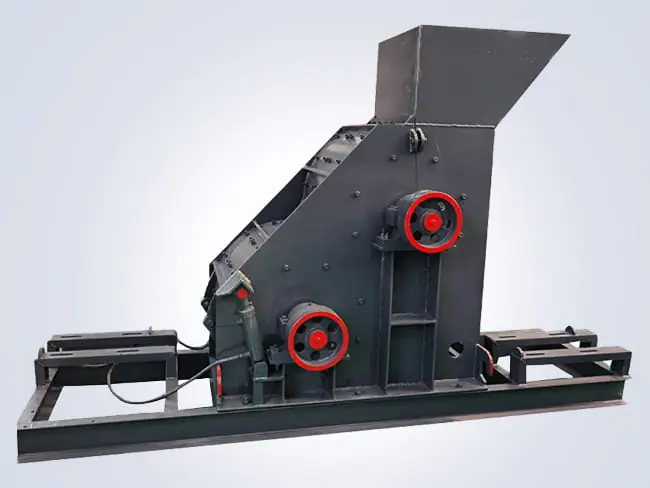
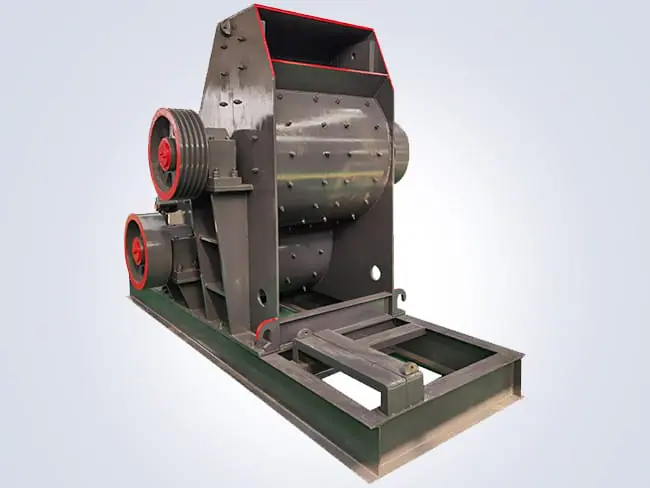
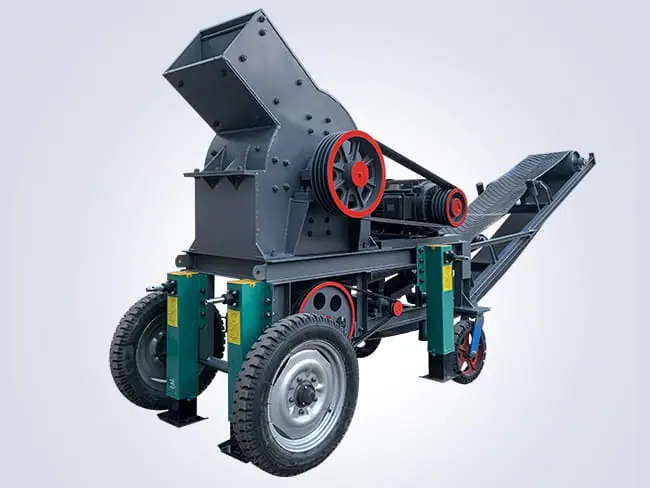
A hammer crusher is a mechanical crushing device. It uses high-speed rotating hammers to strike raw materials. The machine breaks stones and ores into small particles through impact and collision.
It features a simple structure and stable operation. The hammer crushing machine supports dry and wet crushing modes. It is widely used in small and medium crushing production lines.
Working Principle of Hammer Crusher
The working process of a hammer crusher is straightforward and efficient. The motor drives the rotor to rotate at a constant high speed.
Raw materials enter the crushing chamber from the top feeding port. High-speed hammerheads strike the materials instantly. The materials crash against the liner plate and collide with each other.
Repeated impact breaks large materials into fine grains. Qualified particles pass through the screen mesh and discharge out. Oversized materials stay in the chamber for secondary crushing.
This circulating crushing mode ensures uniform output particle size. It improves overall crushing efficiency effectively.
Key Features and Advantages of Hammer Crushing Machine
Hammer crusher equipment has obvious advantages over traditional crushing machines.
Simple structure and easy maintenance. The machine has fewer complex parts. Operators can replace worn hammers and liners quickly. Daily maintenance costs remain low.
High crushing ratio and uniform finished size. It realizes one-time forming crushing. It reduces secondary processing procedures and saves production time.
Wide material adaptability. It crushes limestone, coal, gangue, gypsum and other brittle materials. It works well for construction waste recycling.
Low energy consumption. The optimized rotor design reduces power waste. It helps enterprises cut long-term operating costs.
Flexible working mode. Dry crushing avoids water waste. Wet crushing reduces dust pollution for cleaner production.
Common Applications of Hammer Crusher
The hammer crusher serves multiple industrial fields with stable performance.
Mining industry. It crushes medium and low hardness ores. It processes raw coal and ore residues for resource utilization.
Construction material production. It breaks limestone into aggregate for cement production. It processes stone materials for road and building construction.
Solid waste recycling. It crushes construction waste and brick residues. The recycled materials can be reused for road filling and brick making.
Chemical and metallurgical industry. It crushes block chemical raw materials and metallurgical slag. It meets fine particle processing requirements.
Tips for Hammer Crusher Operation and Maintenance
Standard operation extends the service life of the hammer crusher.
Check hammerhead wear degree regularly. Replace severely worn parts in time to ensure crushing effect.
Clean internal dust and residual materials before startup. Avoid material blockage and equipment jamming.
Adjust screen mesh gap according to required particle size. Match different production standards flexibly.
Lubricate rotating bearings periodically. Reduce friction loss and keep equipment stable.
Stop feeding first before shutting down the machine. Wait for all materials to discharge completely.
Hammer Crusher vs Jaw Crusher
Many users confuse hammer crusher and jaw crusher. The two machines have different positioning in production lines.
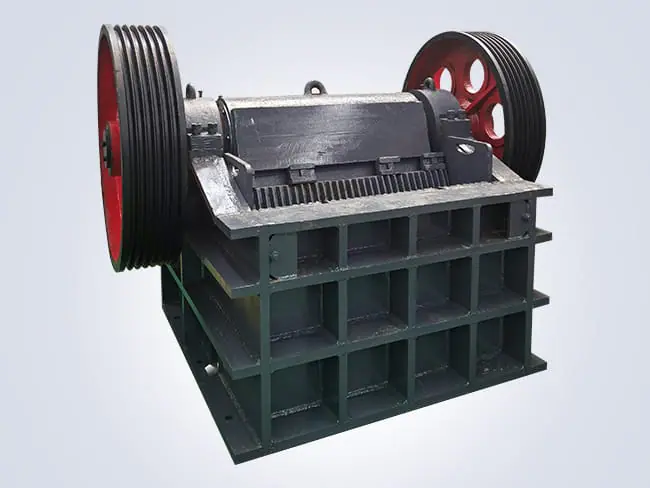
Jaw crusher suits primary coarse crushing. It processes large hard stones. Hammer crusher focuses on medium and fine crushing.
Hammer crushing machines have a higher crushing ratio. They finish forming in one step. Jaw crushers need matching fine crushing equipment.
Hammer crushers fit soft and brittle materials. Jaw crushers adapt to high-hardness ores. Users can select machines based on raw material characteristics.
Conclusion
A hammer crusher is a cost-effective and versatile crushing machine. It has simple structure, high efficiency and wide application range.
It plays a key role in mining, construction waste recycling and building material production. Standard operation and regular maintenance keep the hammer crusher running stably for long-term production.